


Care Guide & Supplies
Small Breed Dog Supplies, Food & Care Guides
Small breed dogs have unique needs — smaller kibble, compact toys, sized harnesses, and calorie-dense food. Find what fits your little one.
The complete small breed dog care guide
Habitat, diet, lighting, troubleshooting and a first-48-hours quick start. Free, no email required — from our family in Lancaster County to yours.
Shop small breed dog
See everything →
Acana Dog Wholesome Grains Small Breed 11.5Lbs

Alzoo Plant Based Flea & Tick Collar Small Dog 23.6In.

Arlee Therapetic 4-6"/6 Extra Extra Small Protective Collar
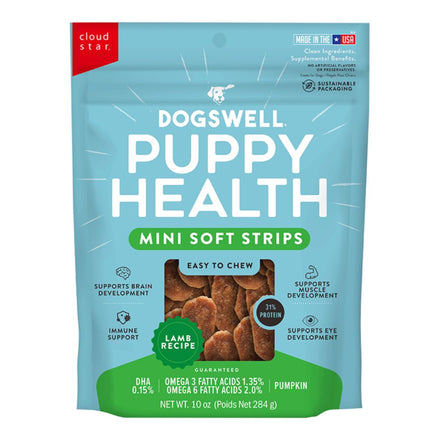
Dogswell Dog Lifestage Puppy Treats Mini Soft Strips Lamb 10Oz

Dogswell Immunity & Defense Grain-free Jerky Dog Treat Mini Duck 1ea/4 oz

Earth Animal Herbal Flea And Tick Collar For Small Dogs

Earthly Dog Mini Crisps Millet & Beef 2.5oz.

Earthly Dog Mini Crisps Millet & Pork 2.5oz.

Firstmate Dog Grain Free Mini Beef Blueberry Treat 8Oz

Firstmate Dog Limited Ingredient Grain Free Mini Duck Blueberry Treat 8oz.
Shop by category
Shop all small breed dog →

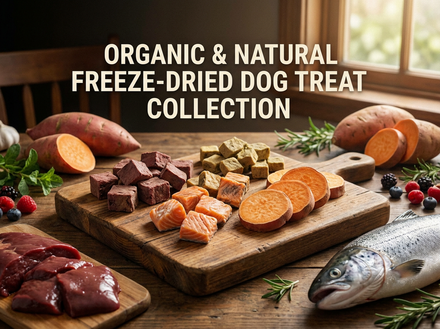
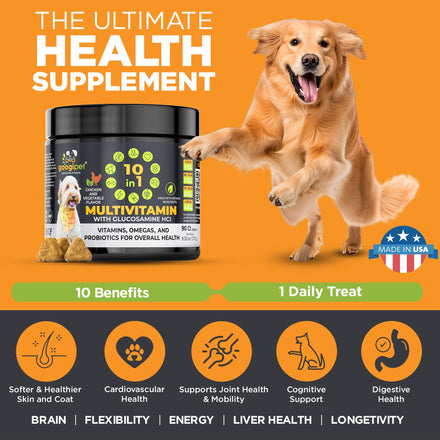
Care articles & how-tos
All WCP Small Breed Dogs posts →


Free guide
Download as PDF ↓The complete small breed dog care guide
The whole guide, free to read right here — habitat, diet, lighting, troubleshooting and a first-48-hours quick start. No email required.
A small dog is a big personality in a very small package. The Dachshund who patrols the kitchen like a tiny security guard, the Chihuahua who burrows into your sweater, the Yorkshire Terrier who is convinced the mail carrier is a personal enemy, the Pug who snores through the evening news: these dogs weigh less than a bag of flour or a gallon of milk, and they take up an enormous amount of room in a family. They also live a long time. Many small dogs reach 12 to 16 years, and some go beyond, which means the choices you make in the first weeks (what goes in the bowl, how you carry them, whether anyone brushes those tiny teeth) can echo for well over a decade.
Small dogs are not simply "dogs, but less." Their bones are delicate, their blood sugar can swing fast when they are very young, their teeth sit crowded in a small jaw, their metabolism runs hot, and a few extra treats can be a big share of a day's calories. They are also dogs in every way that counts: they need to be taught, socialized, exercised and treated like the capable animals they are. This guide covers what makes a dog under about 25 pounds different, and what stays exactly the same. Start with the Quick Start, keep the hypoglycemia section handy if you have a toy-size puppy, and remember that every medical decision belongs to you and your veterinarian. We are here to help you walk in prepared.
Quick Start: Your First 48 Hours
- Dog-proof at floor level before the dog arrives. Get down on your hands and knees and look around. Small dogs fit behind appliances, under recliners and into cabinets that a larger dog could never squeeze into. Pick up cords, small objects, medications, coins, hair ties and anything that could be swallowed. Block gaps behind furniture and tuck away trailing blind cords.
- Choose the safe "home base." Set up a small exercise pen or a gated corner with a comfortable bed, water, and a potty area. A tiny dog turned loose in a whole house is both overwhelmed and in danger of injury, and a smaller space also makes housetraining far easier.
- Plan how your dog will get on and off furniture. Jumping down from a couch or bed is one of the most common causes of injury in small dogs. Put pet steps or a ramp next to the furniture they are allowed on, or decide that the furniture is off limits for now. Do this on day one so a bad habit never gets a chance to start.
- Buy a harness, not just a collar. A well-fitted harness spreads pressure across the chest rather than the delicate neck and windpipe. Have it on before the first trip home, and keep ID tags on a collar as well. Adjust it so you can slide two fingers under any strap.
- Transport safely. Bring a secure, well-ventilated carrier or a crash-tested car harness or booster seat made for small dogs. Never let a small dog roam loose in the car or ride in a lap, and never hold a dog in your arms when you open a door. Small dogs slip out of arms and through gaps faster than you think.
- Set a feeding plan and write it down. Start with the same food the breeder, shelter or previous home was using, and switch gradually over a week if you want to change it. Puppies of toy breeds need three to four small meals a day, never long gaps. Always have fresh water out.
- If you have a toy-breed puppy, learn the signs of low blood sugar tonight. Weakness, wobbling, shaking, glassy eyes, unusual sleepiness, and in serious cases seizures. Read the hypoglycemia section in Common Challenges, keep a plan on the refrigerator, and call the vet right away if you see these signs.
- Start the potty routine from the first hour. Take your dog to the same spot, on a leash or in the pen, right after arrival, after every meal, after every nap, after play, and at least every hour or two while awake. Reward the instant they finish. Small bladders mean frequent trips.
- Keep the first two days calm. Let your dog explore, nap, and decompress. Limit visitors, supervise children closely (see Home Setup & Safety), and avoid overwhelming outings. Short, positive introductions beat a big welcome party.
- Book a veterinary visit in the first week. Bring any records, ask about vaccines, parasite prevention, microchipping, spay or neuter timing, and a dental plan, and ask the vet what weight your dog should be aiming for. Save the clinic's number and the closest emergency clinic's number in your phone.
First-Time Starter Bundle
What should be in the house on day one, and what to look for in each category.
Essentials
- A well-fitted harness and a lightweight leash sized for a small dog. Look for a step-in or vest style that does not press on the throat, with soft edging and quick adjustment. A lightweight leash keeps the dog from feeling dragged by the weight of the clip.
- A flat or breakaway collar with an ID tag that is light enough for a small neck. A microchip is a great backup, but a tag gets your dog home fastest.
- A secure travel carrier with a solid floor, good ventilation and a top or front opening. It doubles as a safe den at home and is the safest way to carry your dog to the vet.
- A car safety option: a crash-tested small-dog harness that attaches to a seat belt or a secured booster seat with a short tether, so your dog cannot be thrown or climb into the driver's footwell.
- A small-breed formula food with small, easy-to-chew kibble and a named animal protein as the first ingredient. If you prefer fresh, freeze-dried or air-dried foods, look for complete-and-balanced formulas with a short, recognizable ingredient list. No mystery ingredients, no cheap filler.
- Small, shallow food and water bowls that a tiny muzzle can reach into comfortably, with a non-slip base. Flat-faced breeds often do better with shallow, wide dishes.
- A soft, warm bed with low sides that is easy to climb into, plus a washable blanket. Small dogs lose body heat faster than big ones and love to burrow.
- A small exercise pen or baby-style gate to build a safe starter space and keep your dog from running underfoot.
- Pet steps or a low ramp for couches and beds, with a non-slip surface.
- A toothbrush and dog-safe toothpaste made for small mouths, such as a finger brush or a very small soft-bristled brush. Never use human toothpaste.
- A soft brush, a metal comb and nail clippers or a grinder appropriate to the coat type and nail size.
- Potty supplies: a stack of washable or disposable pee pads or a turf-style indoor potty if you plan to use one, an enzyme-based cleaner for accidents, and waste bags.
- A thermometer, a small tube of high-calorie nutritional gel supplement, and your vet's number in an easy-to-find spot, especially for toy-size puppies.
Enrichment
- Puzzle feeders and snuffle mats sized for small noses, so meals take a few minutes instead of seconds.
- Soft, small plush toys and small rubber chew toys that are too big to swallow and soft enough for small teeth. If a toy is hard enough that you would not want to be hit by it, it is probably too hard for a small dog's teeth.
- A lick mat for calm, soothing mealtime or grooming distraction.
- A cozy burrow blanket or cave-style bed for dogs who like to tunnel under things.
- A weather-ready sweater or coat and traction-friendly booties for cold, wet or salted sidewalks.
- A soft-sided playpen or a small yard enclosure for safe outdoor time when you are right beside them.
- Training treats in pea-sized pieces, so you can reward often without filling up a tiny stomach.
- A small flirt pole or soft tug toy for short play sessions that burn off energy without hard jumps.
Meet Your Small Dog
"Small dog" covers a wide family, from the 4-pound Chihuahua who fits in two cupped hands to the 20-pound French Bulldog who thinks he is a bulldozer. For this guide, we mean dogs who weigh under roughly 25 pounds as adults. They share a few traits: they mature faster in body than in mind, they usually live longer than large dogs, they need less food but pack more calories into each bite, and they are tough, spirited companions with some very specific physical quirks.
Many small breeds were bred for jobs: Dachshunds to follow badgers into burrows, Havanese and Maltese to be lap companions for nobility, Yorkshire Terriers to hunt rats in Victorian mills, and Pomeranians to be a smaller version of a sled dog. That heritage shows up in your living room today as digging, barking, chasing and a big opinion about everything. Understanding the history behind your breed's behavior makes training much more productive.
| Trait | Detail |
|---|---|
| Typical adult weight | Under about 25 lb (a few pounds for the smallest toys) |
| Typical lifespan | Often 12-16 years, sometimes longer with good care |
| Activity pattern | Bursts of play with long naps; many are lap dogs by evening |
| Metabolism | Fast; burns more calories per pound of body weight than large dogs |
| Bones | Fine and delicate; leg and spine injuries from jumps and falls are common |
| Teeth | Full set of 42 teeth packed into a small jaw; crowding is very common |
| Social needs | High; most small dogs do not want to be alone for long stretches |
| Weather tolerance | Cold sensitive; flat-faced breeds are also heat sensitive |
| Training | Smart and food-motivated, but housetraining can take longer |
Breed snapshot
These ten are common, loved and a good way to see how much variety there is inside "small." Every dog is an individual and mixed breeds can show any combination of traits. Weights are typical adult ranges and individual dogs vary.
| Breed | Typical adult size | Coat | Key tendencies to know |
|---|---|---|---|
| Chihuahua | 3-6 lb | Short or long, many colors | Very tiny, cold sensitive, may bond to one person, delicate puppies prone to low blood sugar, dental crowding |
| Yorkshire Terrier | 4-7 lb | Long, silky, single coat | Feisty terrier attitude, daily brushing to prevent tangles, small-jaw dental problems, can be tricky to housetrain |
| Maltese | 4-7 lb | Long, silky white, minimal shedding | Gentle and affectionate, tear staining, needs regular coat care, can be a delicate eater |
| Pomeranian | 3-7 lb | Double coat, fluffy | Bold, talkative, thick coat needs routine brushing, small-dog dental and kneecap concerns |
| Dachshund (miniature) | 8-16 lb | Smooth, wirehaired or longhaired | Long back, so avoid jumping and stairs; scent hound with a loud bark; stay lean to protect the spine |
| Shih Tzu | 9-16 lb | Long, silky double coat | Calm companion, regular grooming, eye and ear care, shorter muzzle means watch heat |
| Cavalier King Charles Spaniel | 13-18 lb | Medium silky, feathered | Sweet and people-focused, heart checks are a conversation to have with your vet, ear care |
| French Bulldog (flat-faced breed) | 16-28 lb | Short, smooth | Short-nosed (brachycephalic), prone to overheating and breathing noise, skin-fold care |
| Pug (flat-faced breed) | 14-18 lb | Short, smooth, sheds | Short-nosed, heat sensitive, wrinkle cleaning, weight gain comes easily, loves food |
| Miniature Poodle | 10-15 lb | Curly single coat, minimal shedding | Very smart, active, needs regular professional-style grooming, knee and dental care |
| Havanese | 7-13 lb | Long, silky, wavy | Social and clownish, hates being alone, coat needs frequent brushing |
Flat-faced breeds are a special case
French Bulldogs and Pugs, plus several other short-nosed dogs, are called brachycephalic (brack-ee-seff-AL-ik), meaning "short-headed." Their shortened skull leaves the same amount of soft tissue crammed into less space, and that can narrow their airways. They snort, snore, tire quickly in heat and can struggle to cool themselves. Many live happy lives, but they need warm-weather caution, a harness (never a collar pulling on the neck), careful weight control and a vet who understands the breed. If you are shopping for a flat-faced dog, ask your vet about airway health before you commit.
Home Setup & Safety
A home that is perfectly safe for a 60-pound dog can be full of hazards for a 6-pound one. Think vertical (how far is the drop?), underfoot (who might step on this dog?) and tiny (what could this dog swallow or squeeze into?).
Fragile bones: the injury list
Small dogs have fine, light bones, and their joints and spines take a beating from what looks like a minor event. The most common household injuries are:
- Jumping off furniture. A couch or bed is a tall cliff to a small dog. Repeated landings can cause fractures, sprains, knee problems and, in long-backed breeds, spinal injury.
- Being stepped on. Small dogs love to stay close to their people and are easy to miss, especially in the kitchen, at doors, and on stairs. Shuffling your feet and teaching a "wait" cue helps.
- Being dropped. Wriggly dogs jump out of arms at the worst moments. Hold them close to your body, support the chest and hindquarters, and do not carry them while carrying something else or while opening a door.
- Being squeezed or grabbed. Children often love small dogs a little too hard. A hug that feels gentle to a child can be painful or even dangerous for a tiny dog.
- Stairs. Tiny dogs can tumble down a flight. Use gates at the top and bottom and carry them securely, or teach a slow, controlled descent.
Steps and ramps
Steps and ramps are not a luxury for small dogs, they are protective gear. Choose ones with a stable, wide base, a non-slip surface and a gentle slope. Teach your dog to use them with treats and patience: reward them for placing one paw, then two, then climbing up and down. Dogs who are heavily built, have a long back, or are older often do better with a ramp than steps. Some dogs with back or knee problems should not be jumping at all, so ask your vet what is right for yours.
Children and small dogs
Children can learn to love a small dog safely, but they need rules and supervision. Many injuries happen when a child picks up a dog and drops it or when the dog is stepped on or sat on. A few simple house rules go a long way:
- Young children should sit on the floor or couch and let the dog come to them, or hold the dog only while sitting down and with an adult watching.
- No carrying the dog around the house, up stairs or onto furniture.
- No chasing, grabbing, hugging tightly or lifting by the front legs.
- Give the dog a safe place that is off limits to kids, such as a pen or a covered crate, and let the dog retreat there any time.
- Teach children to recognize signs of stress: lip licking, yawning, turning away, stiffening, growling. A growl is a warning, and it is information a family should respect.
Never leave a young child and a small dog alone together, no matter how gentle both seem.
Harness vs. collar
A flat collar is excellent for holding an ID tag, but we recommend a harness for walks. Here is why:
- A collar puts pressure right on the front of the neck, where the trachea (windpipe) runs. Many small breeds have a delicate windpipe, and some are prone to a condition called tracheal collapse. Pulling or a sudden jerk can irritate the airway.
- A harness distributes pressure across the chest and shoulders, which is safer for the neck, the throat and the spine.
- Small dogs can slip out of collars easily, especially breeds with narrow heads, such as the Yorkshire Terrier or Dachshund. A snug harness is more secure.
Choose a harness that fits snugly without rubbing, does not restrict shoulder movement and is made for a dog of your dog's size. A harness for a larger dog will not work for a tiny one. Check the fit every few weeks, especially on a growing puppy.
Outdoor safety: secure yards and wild neighbors
Small dogs are food for some wild animals. In Pennsylvania and across much of the country, hawks, owls, coyotes, foxes and even large dogs can be a danger, particularly at dawn and dusk. A few practical habits:
- Never leave a small dog unattended outdoors, even in a fenced yard. Stay with them.
- Check your fence. Small dogs can squeeze through gaps that would stop a larger dog, so inspect the bottom of the fence and add a barrier along the base if needed. Coyotes can leap and climb many fences.
- Consider a covered enclosure if you want to give your dog outdoor time when you are nearby but not directly beside them.
- Use a leash or long line in unfenced areas, and stay alert for raptors overhead and animals near the tree line.
- Keep a light on and make noise when letting your dog out at night, and check the yard first.
- Watch your dog around other animals. Even friendly big dogs can hurt a small dog during rough play, so watch carefully.
Housetraining & Small-Dog Behavior
Why small dogs can be slower to housetrain
Housetraining a small dog is a lot like training a big dog, only with more trips. Their bladders are small, they need to go out more often, and their accidents are easy to overlook. A tiny puddle in the corner might not even register until the third time. Small breeds can also be slower to housetrain than larger ones, and it is not about intelligence. A few reasons:
- Small bladders and fast metabolisms mean small dogs have to go more often, sometimes every hour or two for a young puppy.
- Weather. Many small dogs hate cold rain, wet grass and snow. They would rather hold it and go inside later.
- Smaller accidents are easier to miss, so owners can accidentally let habits form.
- They are close to the ground and easy to carry, so owners sometimes skip walks.
- Indoor spots start to smell like a bathroom if not cleaned with the right product, which encourages repeat accidents.
Consistency matters more than anything. The same door, the same spot, the same cue word, and the same reward every time. Housetraining is a series of small, boring successes.
The step-by-step routine
- Take your dog out frequently. A puppy needs a trip right after waking, after every meal, after play, after drinking, and at least every one to two hours while awake. Young puppies usually need a break about every hour for each month of age, up to a limit.
- Go to the same spot every time. Use the same cue word, such as "go potty," and stay quiet and boring until your dog goes.
- Reward immediately. The second they finish, give a pea-sized treat and happy praise. The reward must come within a couple of seconds, so carry treats in your pocket and bring a leash if you need one. Reward at the spot, not after you come back inside.
- Supervise indoors. Keep your dog in sight, on a tether, or in a pen. If you cannot watch, use the pen or crate. Watch for sniffing, circling or heading to a corner.
- Interrupt calmly if you catch an accident. A calm "oops" and a quick trip outside is enough. Never scold or punish after the fact. It teaches your dog to hide from you, not to avoid accidents.
- Clean accidents with an enzyme-based cleaner. Regular cleaners can leave a scent that tells your dog to go there again.
- Use a crate or pen as a training tool. Dogs usually avoid soiling where they sleep. Size matters: the space should be big enough to stand up, turn around and lie down, but not much more.
- Keep a log for the first weeks. Write down meals, naps, potty breaks and accidents. Patterns appear quickly and help you predict the next trip.
Indoor potty options
Not every small-dog owner can or wants to make outdoor trips every time. Indoor potty options can be a great fit for apartment dwellers, owners with mobility challenges, harsh winter weather, or very tiny puppies who should not be out in the cold. The main choices are:
- Absorbent pads, which are easy to use and easy to throw away, but some dogs start to think any soft, flat surface is fair game, including rugs and bath mats.
- Washable, reusable pads, which are more eco-friendly and look less like a bathroom than a rug.
- Artificial or real turf patches in a tray, which mimic grass and can transition more easily to outdoor use.
- Litter-style boxes with dog-safe litter, which work well for some tiny breeds and for balcony setups.
Whichever option you choose, treat it like an outdoor spot: put it in the same place, use the same cue and reward success. If you want your dog to eventually go outside as well, keep up the outdoor trips and reward heavily there. Be consistent about which spots are acceptable, since dogs can be confused by mixed messages.
"Small dog syndrome" is a human problem, not a dog problem
"Small dog syndrome" is the popular name for a set of behaviors people often see in small dogs: barking at everything, snapping, lunging, growling at guests, guarding the couch or the owner. The nickname makes it sound like a trait of the dogs. In reality it is almost always a result of how small dogs are handled.
Think about the difference:
- A big dog who jumps on a guest gets corrected right away because it is a safety issue. A small dog who does the same thing gets laughed at, picked up or ignored.
- A big dog who growls at a visitor makes the owner nervous and prompts training. A small dog who growls gets scooped up and carried away, which teaches the dog that growling works.
- A big dog is walked, socialized and trained because the owner has to. A small dog is carried in a bag, kept at home and never meets the world, so everything new is scary.
None of this is a flaw in the dog. It is a gap in training. The same breed can be sweet and confident or snappy and anxious depending on how it is raised. Here is how to avoid it:
- Do not carry a fearful dog to avoid training. If your dog is scared of other dogs, strangers or noises, picking them up can feel kind, but it rewards the fear and prevents your dog from learning to cope. Instead, create distance, use treats, and let your dog watch from a comfortable distance until they relax.
- Reward calm behavior. Give attention, treats and affection when your dog is quiet and relaxed, not only when they are barking or demanding.
- Socialize early and gently. From about 8 to 16 weeks, expose your puppy to new sights, sounds, surfaces, people and friendly, vaccinated dogs, always with treats and at your dog's pace. Check with your vet about timing around vaccines and consider a well-run puppy class.
- Give small dogs rules and boundaries. Teach "sit," "down," "wait," "leave it," "come" and a solid "off." Manners count at every size.
- Do not accept behavior from a small dog you wouldn't accept from a big one. Snapping, lunging and constant barking aren't cute.
- Let them be dogs. Sniffing on walks, running in a safe yard and playing with other dogs help with confidence. A dog who only ever rides in a bag has a very small world.
- Use positive reinforcement. Training based on rewards builds trust and works for dogs of every size. Harsh methods tend to make fearful dogs worse.
If your dog already shows aggressive behavior, such as snapping, biting or intense guarding, talk to your veterinarian first to rule out pain, then consider working with a qualified trainer or behavior professional who uses reward-based methods.
Weight, Size & Daily Numbers
Small dogs do not have a lot of margin for error. A pound on a Labrador is a rounding error. A pound on a 7-pound Chihuahua is more than 14 percent of body weight. That is why we encourage owners to track weight like a vital sign.
The daily numbers at a glance
| Measure | Typical range | Notes |
|---|---|---|
| Adult weight | Under about 25 lb | Varies by breed and individual dog |
| Lifespan | Often 12-16 years | Varies; good dental care and a lean body help |
| Meals per day (adult) | 2-3 | Toy puppies need 3-4 |
| Walks per day | 2-3 short walks | Plus indoor play |
Body condition: the hands-on check
The scale is helpful, but your hands and eyes are better. Run your hands along your dog's ribs. You should be able to feel the ribs easily, like the back of your hand, with a thin covering of fat. Looking from above, you should see a visible waist behind the ribs. From the side, the belly should tuck up toward the hind legs. If you cannot feel ribs, if the waist is gone, or if the belly hangs, your dog is probably overweight. If ribs, hip bones and spine stand out sharply, your dog may be underweight. Fluffy coats can hide the truth, so use your hands, not just your eyes.
Diet & Nutrition
Why size matters in the food bowl
Feeding a small dog is not just feeding a big dog less. Small dogs have different needs:
- Higher calorie density and faster metabolism. Per pound of body weight, small dogs burn more energy than large dogs. A 5-pound dog may need roughly twice the calories per pound as a 50-pound dog. Small-breed formulas are usually more calorie-dense so a tiny stomach can take in enough energy.
- Smaller mouths. Large kibble is hard for tiny jaws and crowded teeth to chew, and it can be a choking hazard. Small-breed kibble is sized and shaped for small mouths.
- Small stomachs. A toy-breed stomach holds very little, so portions are tiny and frequent. Skipping meals can cause low blood sugar in the smallest dogs.
Choosing a food
- Look for "complete and balanced" on the label, with a statement that the food meets nutritional standards for your dog's life stage. Puppies, adults and seniors have different needs.
- Choose a small-breed or toy-breed formula if your dog is under about 25 pounds, or ask your vet which is best. Check for kibble size.
- Look for a named animal protein first, whole food ingredients, and no mystery by-products or unnamed fillers. Clean Fuel, No Junk.
- Consider your dog's needs. Toy puppies, active dogs, seniors, dogs with sensitive stomachs, and dogs with weight problems may do better on different formulas.
- Dry, wet, fresh and freeze-dried foods can all work if they are complete and balanced. Many owners mix dry food with a spoonful of wet food, or use a freeze-dried topper, to boost appeal for picky eaters. Count those calories too.
- Ask your vet before home-prepared diets. It is very difficult to get a home-cooked diet fully balanced, especially for tiny dogs where a small error is a big percentage.
- Transition slowly. Mix a little new food into the old over 7 to 10 days to avoid stomach upset.
Calorie starting points
The table below gives rough daily calorie estimates for a healthy adult small dog of average activity. It is a starting point only. Actual needs vary with age, activity, spay or neuter status, metabolism and body condition. Less active, neutered or older dogs often need amounts toward the lower end, and active, young dogs need amounts toward the higher end. Use it to open the conversation with your veterinarian, then adjust based on your dog's weight and body condition over several weeks.
| Adult weight | Approximate calories per day |
|---|---|
| 5 lb | 160-230 |
| 10 lb | 280-380 |
| 15 lb | 380-520 |
| 20 lb | 480-640 |
| 25 lb | 580-760 |
The food label lists calories per cup or per can. Divide the daily number by the calories per cup to find the daily amount, then split it into meals. Use a measuring cup or a kitchen scale instead of guessing, and remember that treats, toppers, chews and the dab of peanut butter that hides a pill all count.
Meal schedule
| Age or stage | Meals per day | Notes |
|---|---|---|
| Toy-breed puppy (under about 4 months) | 3-4 | Never leave long gaps; low blood sugar is a risk |
| Small-breed puppy (4-12 months) | 3 | Move to 2-3 as your vet advises |
| Adult | 2 | Some tiny dogs do better with 3 small meals |
| Senior | 2-3 | Adjust for weight, appetite and health |
Keep mealtimes consistent. A routine helps digestion, housetraining and blood sugar. Pick up uneaten food after 15 to 20 minutes for adults, and do not leave food out all day unless your vet recommends it for a tiny puppy. Free feeding makes it hard to notice appetite changes and encourages weight gain.
Treats: the 10 percent rule
Treats should make up no more than about 10 percent of daily calories. In a small dog that is not much. For a 10-pound dog eating 330 calories a day, 10 percent is about 33 calories, which is less than a single large dog biscuit. Here is how to make treats count:
- Break them into pea-sized or smaller pieces. Your dog does not know the difference.
- Use part of the daily kibble as training rewards.
- Choose small, soft, low-calorie treats like tiny pieces of single-ingredient freeze-dried meat or a bit of green bean.
- Count the calories and subtract from the meal amount.
- Watch the extras. A bite of cheese, a piece of bacon or a lick of ice cream can be a large share of a small dog's day.
Toxic foods
Some foods that are fine for people are dangerous for dogs, and a tiny dog needs only a tiny amount to be in trouble. Keep these out of reach, and call your vet or a poison hotline right away if your dog eats any. Note that this is not a complete list.
| Food or substance | Why it is dangerous | What to do |
|---|---|---|
| Xylitol (a sweetener in sugar-free gum, candy, some baked goods and some peanut butters) | Can cause a rapid, dangerous drop in blood sugar and liver damage, even in small amounts | Call your vet or a poison hotline immediately; do not wait for signs |
| Chocolate and cocoa (dark and baking chocolate are the worst) | Contains theobromine and caffeine, which can cause vomiting, restlessness, rapid heart rate and seizures | Call your vet or a poison hotline; have the type and amount ready |
| Grapes and raisins | Can cause kidney failure in some dogs; the cause is not fully understood | Call your vet right away |
| Onions, garlic, chives and leeks | Can damage red blood cells and cause anemia | Call your vet if your dog eats a meaningful amount |
| Macadamia nuts | Can cause weakness, tremors, vomiting and fever | Call your vet |
| Alcohol and raw yeast dough | Dangerous to the nervous system; dough can expand in the stomach | Call your vet immediately |
| Cooked bones | Can splinter and cause choking or injury | Call your vet if swallowed |
| Caffeine and energy products | Overstimulates the heart and nervous system | Call your vet or a poison hotline |
For poison emergencies, you can call the ASPCA Animal Poison Control Center at (888) 426-4435 or Pet Poison Helpline at (855) 764-7661. Both services may charge a consultation fee, but they can be a lifesaver.
Picky eating
Many small dogs, especially toy breeds, can be picky. Before assuming it is just pickiness, check for dental pain, a medical problem, stress or too many treats. If your vet says your dog is healthy:
- Stick with a consistent schedule and offer food for 15 to 20 minutes, then pick it up.
- Cut back on treats and table food, since a dog who knows something tastier is coming may hold out.
- Try warming the food slightly to enhance aroma, or add a spoonful of wet food or warm water as a topper.
- Use a puzzle feeder or hand-feed a few pieces to build interest.
- Do not let a toy puppy skip meals. If a very small or young dog refuses food, call your vet, because low blood sugar can develop quickly.
Dental Care & Grooming
Dental disease: the biggest preventable problem
Small dogs have the same 42 adult teeth as a Great Dane, packed into a far smaller jaw. Crowded, overlapping teeth trap food and plaque, which hardens into tartar and leads to gum disease. Small breeds often show dental trouble by age three. Left alone, it causes pain, tooth loss and infection, and bacteria from the mouth can affect the rest of the body. The good news is that this is the most preventable issue in this guide.
- Brush daily if you can. Use dog-safe toothpaste and a finger brush or small soft brush. Start slowly: let your dog lick the paste, touch the gums, then brush a few teeth at a time with a treat afterward. Never use human toothpaste.
- Offer dental chews by category, as an add-on and never a replacement for brushing: soft, flexible chews sized to your dog; digestible dental treats; and rubber chew toys with ridges. Avoid anything so hard it could crack a tooth, and count the calories. Choose products that carry a recognized veterinary dental council seal where possible.
- Water additives and dental diets can help some dogs. Ask your vet.
- Schedule professional cleanings. Your vet will advise how often. Cleanings are done under anesthesia, with X-rays to check below the gumline, which is the only reliable way to deal with disease under the gums. Smaller dogs often need cleanings sooner and more often than big ones.
- Watch for retained baby teeth. Some small breeds keep puppy teeth after the adult ones come in, causing crowding. Your vet can advise on removal.
Signs of dental pain: bad breath, red or bleeding gums, yellow-brown tartar, drooling, pawing at the mouth, dropping food, chewing on one side, avoiding hard food or toys, face swelling, or sudden pickiness. Book a vet visit if you see any of these.
Grooming by coat type
| Coat type | Examples | Routine |
|---|---|---|
| Short, smooth | Chihuahua (smooth), Pug, French Bulldog, smooth Dachshund | Weekly brushing with a soft brush; wipe skin folds; occasional baths |
| Long, silky | Yorkshire Terrier, Maltese, Shih Tzu, Havanese | Brush or comb daily; regular trims; watch for mats behind ears and under legs |
| Double, fluffy | Pomeranian, long-coat Chihuahua | Brush several times a week; do not shave, as it can harm the coat |
| Curly, low-shedding | Miniature Poodle | Brush several times a week; professional-style trim every few weeks |
| Wire | Wirehaired Dachshund | Weekly brushing; ask a groomer about stripping or trimming |
Tear stains, ears, nails and mats
- Tear stains: Reddish-brown streaks under the eyes are common in Maltese, Shih Tzu and other light-coated dogs. Wipe daily with a soft damp cloth or dog-safe eye wipe, keep facial hair trimmed, and use clean water. Sudden or heavy tearing, squinting or discharge needs a vet check.
- Ears: Check weekly. Floppy, hairy ears, such as those of Shih Tzus, Poodles and Cavaliers, trap moisture. Clean only with a vet-approved ear cleaner and a cotton ball, never a cotton swab. Redness, odor or head shaking warrants a vet visit.
- Nails: Trim every few weeks. Small dogs' nails are delicate, and long nails can change how they walk. If you hear clicking on hard floors, it is time. Trim a little at a time, or use a grinder.
- Mats: Tangles form behind ears, under the collar or harness, in the armpits and on the hindquarters. Brush before bathing, since water tightens mats. Don't cut mats with scissors close to the skin, because small dog skin is thin and easily nicked; see a groomer.
- Baths: Every three to six weeks is typical, with dog-specific shampoo, warm water and complete drying, since small dogs chill easily.
Exercise, Weather & Safety
How much activity
Small dogs need exercise, though not marathons. Most do well with two to three short walks a day, plus indoor play and training. Energetic breeds, such as terriers and Poodles, may want more, while flat-faced and senior dogs may want less. Let your dog set the pace, sniff and explore, and stop if they lag or pant heavily.
- Indoor play: Gentle fetch down a hallway, tug with a soft toy, and chasing a flirt pole stay low to the ground.
- Mental enrichment: Puzzle feeders, snuffle mats, hide-and-seek treats and short training sessions tire a small dog as much as a walk does.
- Avoid repetitive jumping, especially for long-backed breeds like Dachshunds.
- Socialize on walks and in classes, keeping meetings calm and safe.
Car safety
Use a crash-tested harness attached to a seat belt, or a secured carrier or booster seat. Never let a small dog ride loose, on a lap, or in the front seat near an airbag. Never leave a dog in a parked car, as temperatures can climb to dangerous levels within minutes.
Cold weather
Small dogs lose heat faster. Below about 45 degrees F, many want a coat or sweater, and in snow, ice or deicing salt, booties or a paw wipe afterward help. Limit time outside, dry your dog after rain, and watch for shivering, lifting paws, slowing down or seeking shelter. Short-coated, very small, senior and thin dogs feel it first.
Heat and flat-faced breeds
French Bulldogs, Pugs and other short-nosed dogs overheat easily, because they cannot pant efficiently. Walk early or late, bring water, stay on shade and grass instead of hot pavement, and stop if you see heavy panting, loud breathing, drooling or a blue-tinged tongue. Heatstroke is an emergency; go to the vet at once.
Wildlife and supervision
Hawks, owls, coyotes and foxes may see a small dog as prey. Keep your dog within arm's reach outdoors, especially at dusk, dawn and night. Walk on a short leash, use a secure fence with a base barrier, and consider a covered run. Check for ticks and fleas after outings, and ask your vet about prevention.
Common Challenges & Solutions
Barking
What you see: constant barking at sounds, passersby or the doorbell. Why: small dogs are alert watchdogs and often have a loud bark. It can also come from boredom, excitement or anxiety. What to do: reward quiet, teach a "quiet" cue, cover windows, provide exercise and enrichment, and never reward demand barking. When to call a vet or trainer: if barking is sudden, excessive, or paired with other changes.
Separation anxiety
What you see: howling, destructive chewing, accidents or panting when left alone. Why: many small dogs are closely bonded and never learn to be alone. What to do: practice short absences, leave a long-lasting chew, keep departures calm, and build up gradually. When to call a vet or trainer: if distress is severe or self-injury occurs. Medication and behavior help may be needed.
Resource guarding
What you see: stiffening, growling or snapping over food, toys, a bed or a person. Why: instinct, fear of losing the item, or learned behavior when owners grab the item. What to do: never punish a growl, trade up for something better, and keep your distance. When to call a vet or trainer: at the first sign of biting. Qualified, reward-based help is wise.
Pulling on the leash
What you see: lunging forward or dragging you. Why: excitement, interesting smells, or never being taught. What to do: use a harness, stop moving when the leash tightens, reward position beside you, and keep walks short and rewarding. Do not yank. When to call a vet: if coughing or gagging occurs.
Leash reactivity
What you see: barking or lunging at other dogs or people on walks. Why: fear, frustration or past experiences, often made worse when owners tighten the leash or pick the dog up. What to do: increase distance, reward calm looks, turn away calmly and practice at a comfortable distance. When to ask for help: if it is intense or worsening, consult a reward-based trainer.
Housetraining accidents
What you see: puddles indoors, even in a trained dog. Why: inconsistent routine, uncleaned spots, marking, anxiety or a medical issue. What to do: go back to basics, clean with an enzyme cleaner, increase trips and supervise. When to call a vet: for a sudden change, straining, frequent urination, blood or increased thirst.
Tear stains
What you see: reddish-brown streaks under the eyes. Why: tear overflow in small breeds with shallow eye sockets, plus hair irritating the eye. What to do: wipe daily, trim hair and keep the face dry. When to call a vet: with squinting, redness, discharge or a sudden increase.
Matting
What you see: clumped, tight tangles, often behind the ears and in the armpits. Why: long or curly coats shed loose hair that tangles. What to do: brush often, comb to the skin, use a detangler and schedule trims. When to ask for help: if mats are tight to the skin or sore, see a groomer or vet.
Shivering and shaking
What you see: trembling. Why: cold, excitement, fear, or pain. Small dogs also lose heat quickly. What to do: warm them, offer a coat, stay calm, and note triggers. When to call a vet: shaking with weakness, wobbling, vomiting, lethargy or a hunched posture; shaking in a toy puppy could be low blood sugar.
Jumping injuries
What you see: yelping after a jump, limping, holding up a leg, reluctance to move or a hunched back. Why: fragile bones and long drops. What to do: limit jumping, use steps and ramps, and keep the dog calm. When to call a vet: the same day for yelping, limping, weakness or back pain; for dragging legs, go immediately.
Picky eating
What you see: skipping meals or sniffing and walking away. Why: too many treats, dental pain, stress or illness. What to do: see the Diet & Nutrition section. When to call a vet: if refusal lasts more than a day, or at once for a toy puppy.
Hypoglycemia in toy puppies
What you see: weakness, wobbling, shaking, sleepiness, glassy eyes, pale gums, and in serious cases, seizures. Why: tiny puppies have little body fat and small energy reserves, so skipped meals, stress, cold, illness or vigorous play can cause blood sugar to fall. What to do: feed small frequent meals, keep the puppy warm and avoid long gaps. Emergency plan: ask your vet in advance what to keep on hand; if signs appear, call your vet immediately, and follow their instructions. Don't force food into a seizing or unresponsive puppy, since it can cause choking. When to call a vet: right away, every time.
Health conditions to know
This is education, not diagnosis. Only a veterinarian can tell what is going on.
| Condition | What it is | What you might see |
|---|---|---|
| Patellar luxation | Kneecap slips out of its groove | Skipping a step, holding a back leg up briefly |
| Tracheal collapse | Windpipe cartilage weakens and flattens | Dry, honking cough, worse with excitement or pulling |
| Mitral valve disease | Heart valve leaks over time | Cough, tiring easily, faster breathing; vets may hear a murmur |
| Intervertebral disc disease | Spinal discs bulge or rupture, common in Dachshunds | Back pain, reluctance to jump, wobbling, weak legs; an emergency |
| Brachycephalic airway problems | Narrow airways in flat-faced breeds | Loud breathing, snoring, tiring easily, heat intolerance |
| Dental disease | Plaque, gum disease, tooth loss | Bad breath, drooling, dropping food |
| Reverse sneezing | Spasm that sounds like a loud snort | Usually harmless and brief; mention it to your vet |
Routine Care Calendar
| How often | What to do |
|---|---|
| Daily | Brush teeth and offer measured meals |
| Daily | Take potty breaks and short walks |
| Daily | Wipe the face, check eyes and ears for redness or odor |
| Daily | Brush long or curly coats |
| Daily | Play, train and enrich |
| Weekly | Check ears and nails; brush short coats |
| Weekly | Wash bedding, bowls and toys |
| Weekly | Check body condition by hand |
| Monthly | Weigh your dog and write it down |
| Monthly | Give parasite prevention as your vet directs |
| Every 3-6 weeks | Bath and trim |
| Every 3-4 weeks | Trim nails |
| Every 6 months | Veterinary checkup, especially for seniors |
| Annually | Wellness exam, vaccines as advised, dental check, and Pennsylvania dog license (due by January 1 for dogs 3 months or older) |
Pennsylvania requires dogs 3 months or older to be licensed each year by January 1. Rules vary, so check with your county and local government.
When to See a Vet
Small dogs can decline quickly. When you are unsure, call.
Go today, as an emergency:
- Seizure, collapse, or a toy puppy who is weak, wobbling or unresponsive
- Trouble breathing, blue or pale gums, or suspected heatstroke
- Suspected poisoning (also call a poison hotline)
- Sudden weakness, dragging legs, or a yelp with a hunched back
- Repeated vomiting, a swollen belly, or straining without producing urine
- A fall, being stepped on or dropped, with pain or limping
Book within a few days:
- Bad breath, drooling or dropping food
- A honking cough or a cough that lingers
- Skipping or limping on a back leg
- Weight gain or loss
- Eye discharge, squinting or red ears
- A sudden appetite or thirst change, or accidents in a housetrained dog
Bring your dog's records, weight log and a list of foods and medications.
FAQ
How long do small dogs live?
Many small dogs live 12 to 16 years, and some live longer, because small breeds tend to age more slowly than large ones. Lifespan varies by breed, genetics, weight and care. A lean body, daily dental care, safe handling and regular vet visits all help, so talk to your veterinarian about what to expect for your dog.
How much should I feed a small breed dog?
It depends on weight, age, activity and metabolism. As a rough starting point, a healthy adult 10-pound dog may need around 280 to 380 calories a day, but the range varies a lot. Use the label's calories-per-cup, measure meals, keep treats under about 10 percent of calories, and adjust with your vet based on body condition and weight.
Why are small dogs prone to dental disease?
Small dogs have the same number of teeth as big dogs in a much smaller jaw, so teeth crowd together and trap plaque and food. Tartar builds up, gums become inflamed, and teeth can be lost. Daily brushing, dental chews as a helper and professional cleanings, as your vet advises, are the best defense.
What is hypoglycemia in small puppies?
Hypoglycemia is low blood sugar. Toy puppies have little fat and small energy reserves, so skipped meals, cold, stress or illness can drop their blood sugar. Signs include weakness, wobbling, shaking, sleepiness and seizures. Feed small frequent meals, keep puppies warm, and call your vet at once if you notice any signs.
Are harnesses better than collars for small dogs?
For walking, usually yes. A collar can press on the neck and windpipe, while a harness spreads pressure across the chest. This is especially helpful for dogs prone to tracheal problems or those who pull. Keep a collar for ID tags, and make sure any harness fits snugly.
How do I housetrain a small dog?
Use frequent trips, a consistent spot and cue, and immediate rewards. Supervise indoors, use a pen or crate, and clean accidents with an enzyme cleaner. Small bladders mean more trips, and some small breeds take longer, so patience and consistency matter most. Never punish accidents.
Do small dogs need exercise?
Yes. Most do well with two to three short walks a day plus indoor play and mental games. Needs vary by breed, age and health, and flat-faced dogs need extra care in heat. Ask your vet what suits your dog.
Why does my small dog shake?
There are many reasons: cold, excitement, fear, and pain. Small dogs lose heat quickly, so a sweater often helps. But shaking along with weakness, wobbling, vomiting or lethargy, especially in a toy puppy, needs an urgent call to your vet.
What is a collapsing trachea?
The trachea, or windpipe, is a tube held open by rings of cartilage. In some small breeds the rings weaken and flatten, causing a dry, honking cough, often when excited or pulling on a leash. A harness helps, and your vet can diagnose it and discuss treatment.
What is small dog syndrome?
It is a nickname for barking, snapping or guarding in small dogs, but it is mostly a human handling issue. Small dogs are often carried, excused or not trained. Reward calm behavior, socialize, set rules, and don't carry a fearful dog to avoid training. Manners count at any size.
Every Purchase Gives Back
Before we earn a dime, 10% of every purchase at Walnut Creek Supply goes to no-kill animal shelters across the country. Not as an option at checkout, but off the top of every order, because responsible pet ownership and community care are the same commitment made in two directions.
Small dogs are surrendered more often than people expect, usually because training, barking or health costs caught a family off guard. By reading this guide you are doing it right.
We are a family business in Christiana, Lancaster County, Pennsylvania. We grow our own food, keep our own animals, and stock goods we would put in front of our own dogs: no mystery ingredients, Clean Fuel, No Junk. If you have a question about harnesses, small-breed food or dental care, call us at (717) 983-8069.
Here is to many happy years with your tiny, mighty friend.
_With love from our family to yours,_ Walnut Creek Supply, Christiana, Lancaster County, Pennsylvania _walnutcreeksupply.com_
Frequently asked questions
How long do small dogs live?
Many small dogs live 12 to 16 years, and some live longer, because small breeds tend to age more slowly than large ones. Lifespan varies by breed, genetics, weight and care. A lean body, daily dental care, safe handling and regular vet visits all help, so talk to your veterinarian about what to expect for your dog.
How much should I feed a small breed dog?
It depends on weight, age, activity and metabolism. As a rough starting point, a healthy adult 10-pound dog may need around 280 to 380 calories a day, but the range varies a lot. Use the label's calories-per-cup, measure meals, keep treats under about 10 percent of calories, and adjust with your vet based on body condition and weight.
Why are small dogs prone to dental disease?
Small dogs have the same number of teeth as big dogs in a much smaller jaw, so teeth crowd together and trap plaque and food. Tartar builds up, gums become inflamed, and teeth can be lost. Daily brushing, dental chews as a helper and professional cleanings, as your vet advises, are the best defense.
What is hypoglycemia in small puppies?
Hypoglycemia is low blood sugar. Toy puppies have little fat and small energy reserves, so skipped meals, cold, stress or illness can drop their blood sugar. Signs include weakness, wobbling, shaking, sleepiness and seizures. Feed small frequent meals, keep puppies warm, and call your vet at once if you notice any signs.
Are harnesses better than collars for small dogs?
For walking, usually yes. A collar can press on the neck and windpipe, while a harness spreads pressure across the chest. This is especially helpful for dogs prone to tracheal problems or those who pull. Keep a collar for ID tags, and make sure any harness fits snugly.
How do I housetrain a small dog?
Use frequent trips, a consistent spot and cue, and immediate rewards. Supervise indoors, use a pen or crate, and clean accidents with an enzyme cleaner. Small bladders mean more trips, and some small breeds take longer, so patience and consistency matter most. Never punish accidents.
Do small dogs need exercise?
Yes. Most do well with two to three short walks a day plus indoor play and mental games. Needs vary by breed, age and health, and flat-faced dogs need extra care in heat. Ask your vet what suits your dog.
Why does my small dog shake?
There are many reasons: cold, excitement, fear, and pain. Small dogs lose heat quickly, so a sweater often helps. But shaking along with weakness, wobbling, vomiting or lethargy, especially in a toy puppy, needs an urgent call to your vet.
What is a collapsing trachea?
The trachea, or windpipe, is a tube held open by rings of cartilage. In some small breeds the rings weaken and flatten, causing a dry, honking cough, often when excited or pulling on a leash. A harness helps, and your vet can diagnose it and discuss treatment.
What is small dog syndrome?
It is a nickname for barking, snapping or guarding in small dogs, but it is mostly a human handling issue. Small dogs are often carried, excused or not trained. Reward calm behavior, socialize, set rules, and don't carry a fearful dog to avoid training. Manners count at any size.
WCP Small Breed Dogs
Every small breed dog article we've published, in one place.
