




Leaving already?
Can we tempt you with 5$ off your first order?
Min Order of $50


Care Guide & Supplies
Ferrets are obligate carnivores needing high-protein, high-fat, meat-based diets. Explore our ferret food and treats.
Habitat, diet, lighting, troubleshooting and a first-48-hours quick start. Free, no email required — from our family in Lancaster County to yours.
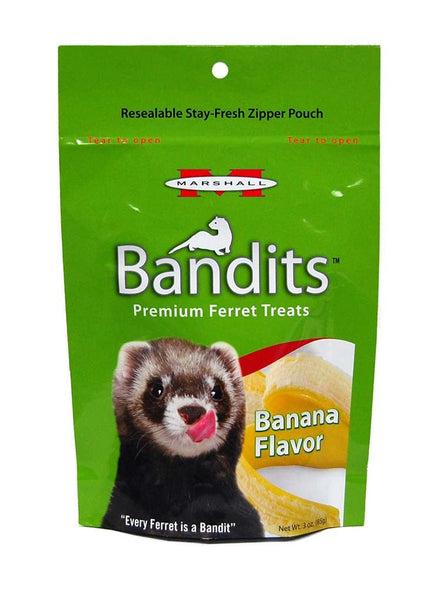
Marshall Pet Products Bandits Ferret Treat Banana 1ea/3 oz
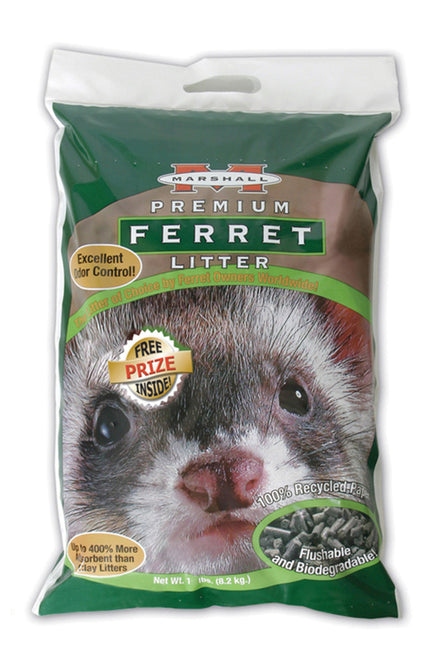
Marshall Pet Products Premium Ferret Litter Bag 1ea
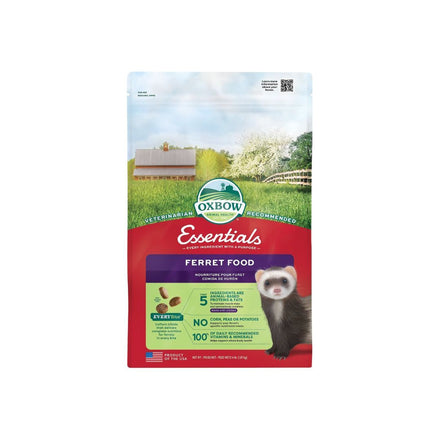
Oxbow Essentials Ferret Food 4lb
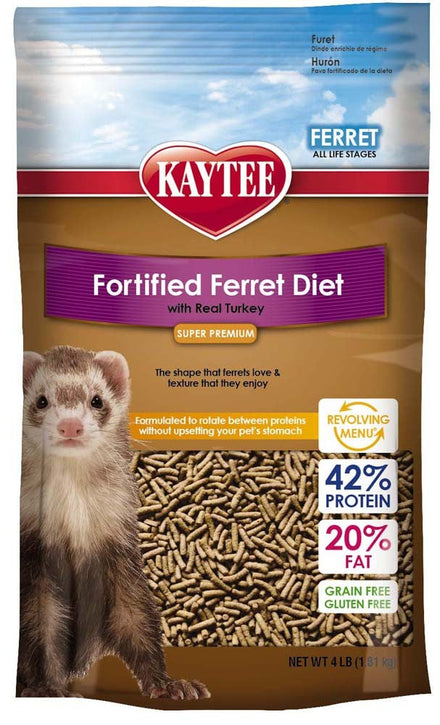
Kaytee Ferret Diet -- Turkey 1ea/4 lb
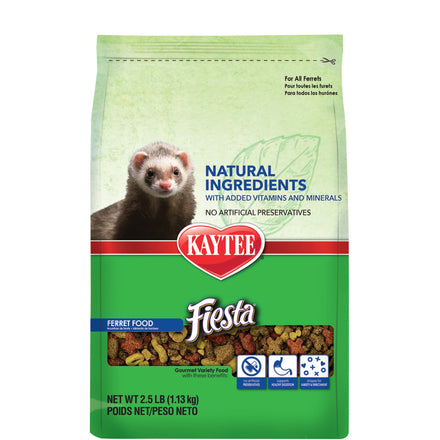
Kaytee Fiesta Natural Ferret 1ea/2.5 lb
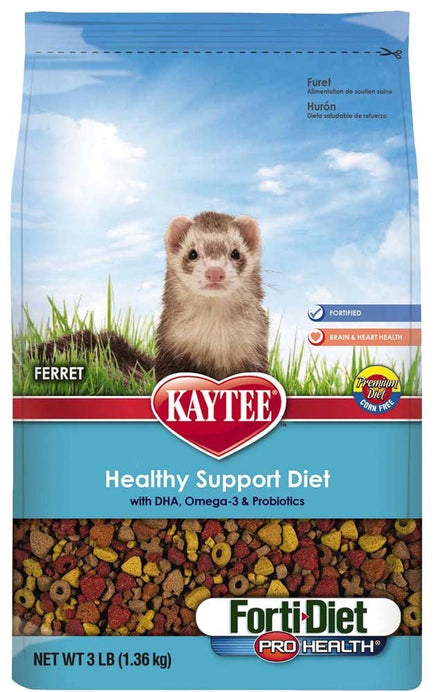
Kaytee Pro Health Ferret Food 1ea/3 lb
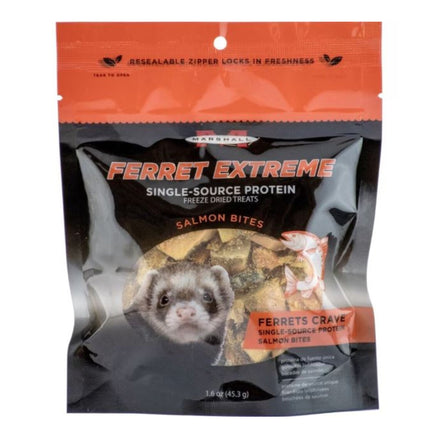
Marshall Ferret Extreme Treats Salmon 1.6oz.
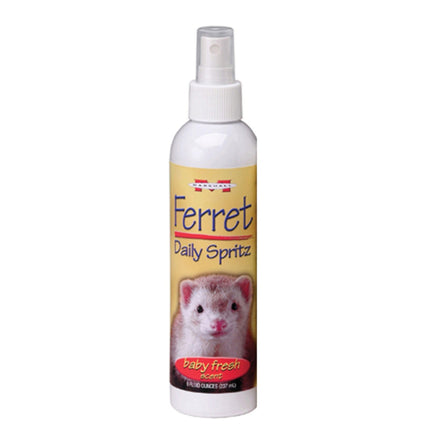
Marshall Pet Ferret Daily Spritz 8 fl. oz

Marshall Pet Ferret Face Toy Tan, Brown
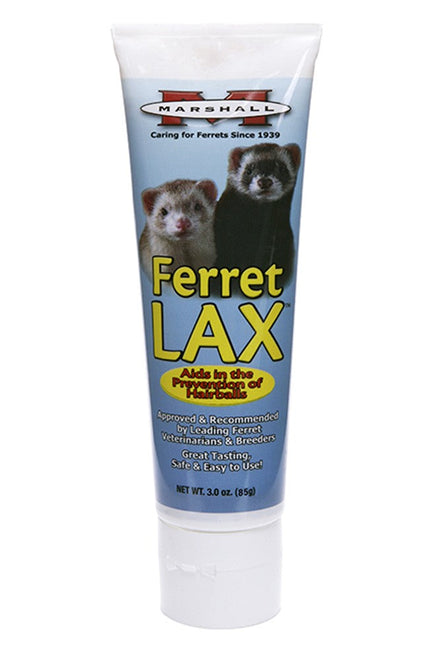
Marshall Pet Ferret Lax Hairball and Obstruction Remedy 3 oz
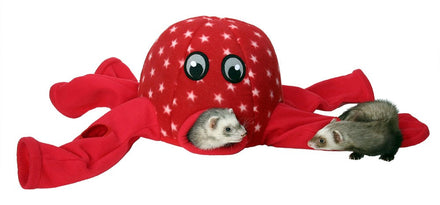
Marshall Pet Ferret Octo-Play Toy Octopus Red
The whole guide, free to read right here — habitat, diet, lighting, troubleshooting and a first-48-hours quick start. No email required.
Ferrets live in fourth gear. That elongated, sable-masked body flows under furniture, into laundry hampers, behind the refrigerator, and through gaps you would have sworn were impassable — all with the confident, low-slung purposefulness of an animal absolutely certain that whatever is on the other side is worth finding. They are wickedly clever, deeply social, and capable of orchestrated household chaos on a scale most small pets never achieve. They are also among the most misunderstood animals in the American pet trade: labeled smelly, nippy, and difficult by people whose experience came from a ferret on the wrong diet in a cage that never opened. What you are actually looking at is a domesticated mustelid with more than two thousand years of relationship with humans, a sleep schedule so deep it will alarm you the first time you witness it, and a vocabulary that includes the dook — a soft, rapid clucking-chuckling sound a ferret makes when excited, playing, or simply pleased with the world, and one of the most distinctive vocalizations in all of small-pet keeping. Get the diet right, give them the free-roam time their biology demands, and you get five to ten years of a genuinely personable, entertaining companion. Underestimate the obligate carnivore requirement or the exercise need, and you get the disease cluster — insulinoma, adrenal disease, lymphoma — that shortens far too many captive ferret lives in North America. This guide gives you the full picture.
One critical note before you begin: ferrets are banned statewide in California and Hawaii, and New York City bans them within the city. Washington DC is also often listed as restricting them. If you live in any of those jurisdictions, or are uncertain about your local rules, verify current city and county ordinances with your local animal control authority before acquiring a ferret. Laws and exemptions change; secondhand information about what is permitted in a specific jurisdiction is not reliable.
What needs to be in the house on day one, and what to look for in each category.
Ready to set up? Browse the essentials in our collections: Critter Enclosures and Critter Bedding and Accessories.
Enrichment, one click away. Shop Critter Toys and Accessories.
The domestic ferret (Mustela putorius furo) descends from the European polecat (Mustela putorius), a mustelid native to Western Europe and western Asia. Domestication began more than two thousand years ago — ferrets appear in written records from ancient Greece and Rome, where they were valued for rabbit hunting and vermin control in grain-storage facilities. The modern pet ferret is a fully domesticated animal with no surviving wild population of its own. The black-footed ferret (Mustela nigripes) of the North American Great Plains is a distinct, unrelated species and is not a domestic animal.
A note on legality: ferrets are banned statewide in California and Hawaii, and New York City bans them within the city. Washington DC is also often listed as restricting them. Several other municipalities have additional restrictions; a small number of states require permits. Before acquiring a ferret, check current ordinances with your local animal control office and confirm whether your county, city, or homeowners' association has additional rules. The legal landscape in this area changes over time. This guide is written for jurisdictions where ferret ownership is lawful.
Male ferrets are called hobs, females are called jills, and young ferrets are kits. A group of ferrets living together is a business. These terms are used throughout this guide as standard husbandry language.
| Trait | Detail |
|---|---|
| Common name | Domestic ferret |
| Scientific name | Mustela putorius furo |
| Ancestral species | European polecat (Mustela putorius) |
| Domestication history | Over 2,000 years; no surviving wild population |
| Adult body length | 13–16 inches excluding tail; tail adds roughly equal length in hobs |
| Adult weight | Jills: 1.5–2 lbs; hobs: 3–4 lbs |
| Typical lifespan | 5–10 years with good care |
| Sleep requirement | 15–20 hours per day — deep, heavy, and difficult to rouse |
| Social structure | Flexible; can thrive singly with extensive human interaction, or in a group (a "business") |
| Activity pattern | Polyphasic — short intense active bursts followed by deep recovery sleep, repeated throughout the day |
| Dietary classification | Obligate carnivore — metabolically incapable of processing plant carbohydrates |
| Legal status | Banned in California, Hawaii and New York City; often listed as restricted in Washington DC; check local ordinances everywhere |
The dook — that soft, rapid clucking-chuckling sound — is the sound of a ferret having a genuinely good time. It accompanies play, exploration, and social interaction with people or other ferrets. A ferret who dooks regularly is a ferret who is comfortable, stimulated, and not chronically stressed. New ferret owners usually describe it as a kind of muted motorboating; once you hear it, you know exactly what it means.
Other ferret sounds worth knowing: a hiss is a warning — back off, I'm unhappy. A bark or shriek signals alarm or pain. Some ferrets produce a soft chitter during intense play. Ferrets also communicate heavily through body language. The weasel war dance — a lateral hopping, back-arching, sideways spinning bounce performed at high speed — is an invitation to play. It looks alarming to people who have never seen it. It is pure joy, not aggression. Join in.
New ferret owners sometimes genuinely believe their ferret has died. This is understandable. A ferret in deep sleep is profoundly unresponsive — completely limp, heavy, unmoving, sometimes in a position that looks anatomically impossible, and extremely difficult to rouse with light touch. This is entirely normal. Ferrets cycle between active bursts and deep recovery sleep throughout every twenty-four hours, spending 15 to 20 of those hours asleep — and during the deepest phase, they look exactly like an animal that has stopped breathing. Unless your ferret cannot be woken at all with firm handling and physical stimulation, do not call your vet. A firm stroke along the spine, a gentle scruff, or even picking them up will produce a yawn, a stretch, and the mildly affronted expression of someone interrupted mid-dream.
The smell is the first surprise. Ferrets have a natural musky odor — a product of skin oil glands that is part of the species and cannot be eliminated entirely, only managed. Most American pet ferrets have already had their anal scent glands surgically removed before sale (descenting is standard practice in the commercial American ferret trade), which reduces the intensity of acute stress-spraying but does not remove the ambient skin-oil musk. Over-bathing makes the odor significantly worse by stripping skin oils and triggering the glands to overproduce — monthly baths are the absolute maximum. The most effective odor management is cage hygiene: washing fleece bedding twice weekly, deep-cleaning the cage weekly, and replacing litter daily.
The sleep schedule is the second surprise. See above. A ferret you cannot easily wake is most likely in normal deep sleep.
The third surprise is the intelligence and speed. Ferrets do not browse their environment the way a rabbit or guinea pig might. They map it. A ferret entering a new room for the first time runs the entire perimeter at speed, investigates every object, tests every gap, and files what they find. They remember that you put something interesting in the third drawer from the left last Thursday, and they will work on that drawer every single day until they solve it. That level of engagement is what makes ferret ownership so rewarding — and why ferret-proofing is never optional.
Ferrets spend the hours they are not in free roam in their cage, and the cage must support that time properly. A single-level cage is not adequate. Ferrets are natural climbers, seek elevation for sleeping, and need varied environmental zones within the cage to prevent the frustration and repetitive behaviors that develop in bare, flat enclosures. A good ferret cage has two to four levels connected by ramps or platforms, multiple sleeping zones with attached or hanging hammocks and sleep sacks, at least one litter box per level, and a food and water station. Ramps should have a textured surface — smooth ramps produce falls, and ferrets learn quickly not to use them.
Minimum cage dimensions for one ferret: approximately 24 × 24 × 36 inches interior. For a business of two to four ferrets: 36 × 25 × 55 inches or larger. These are floors, not targets. Width matters as much as height for overall utility, and larger cages produce measurably less stressed ferrets across every behavioral indicator.
Ferrets sleep in piles when housed together — a business will heap themselves into a single sleep sack in a way that looks uncomfortable but is a sign of social contentment. Single ferrets burrow into enclosed sleeping areas: a fully enclosed sleep sack or a fleece tube is preferred over an open hammock for a solitary ferret, who needs the sensation of physical contact and enclosure. Provide both options and observe what your ferret chooses. Hang sleeping areas at multiple heights throughout the cage so the ferret can select based on temperature, light level, and the day's mood.
Ferrets back into corners to eliminate, without exception. Corner-shaped litter boxes placed snugly into every cage corner — and into the corners of the free-roam room — produce consistent litter box use with minimal training. If your ferret is not using the provided box, the box is almost certainly not positioned in the corner the ferret has already chosen. Observe where eliminations are happening, move the box there. Attempting to retrain the ferret to a different corner is significantly less effective than repositioning the box to match the ferret's established preference.
Glass aquariums and terrariums: no airflow, dangerous heat retention in summer, and smooth glass walls prevent any climbing or varied height use. Not suitable at any life stage. A mesh or bar-wire powder-coated cage with proper ventilation is the correct format. Bar spacing should be no greater than 1 inch × 2 inches — wider spacing creates fall and limb-entrapment risks.
The substrate question for ferrets is really two separate questions: what goes in the sleeping areas, and what goes in the litter trays. These are different environments with different requirements, and conflating them leads to avoidable problems.
| Surface type | Best use | Key notes |
|---|---|---|
| Fleece hammocks and sleep sacks | Sleeping areas — primary bedding | Soft, washable, non-toxic if chewed; the industry standard for ferret sleeping zones; wash twice weekly; check regularly for fraying edges or loose threads that can catch claws |
| Fleece liners or cotton t-shirt fabric | Cage floor liner (optional) | Provides soft ground contact; absorbs incidental spills; wash on the same schedule as hammocks; check for holes and fraying |
| Paper-based litter — pellet or crumble | Litter trays — required | Low dust, absorbs odor effectively, non-toxic if small amounts are ingested; Yesterday's News, paper pellet generic brands, and unscented Feline Pine are all appropriate |
| Recycled cardboard litter | Litter trays — acceptable | Slightly lower odor control than paper pellet; acceptable substitute when paper pellet is unavailable |
| Clay clumping cat litter | Never | Clumping agent is acutely hazardous if ingested; fine particulate dust causes respiratory damage in mustelids; no safe use case at any life stage |
| Cedar or pine shavings | Never | Aromatic phenols in both woods are toxic via inhalation for ferrets and mustelids generally; established health hazard; no acceptable use |
| Corn cob litter | Avoid entirely | Ferrets ingest it readily; corn cob material in the gastrointestinal tract causes blockages; not safe even when marketed as appropriate for small animals |
| Sand or fine gravel | Never | No thermal benefit, high ingestion risk, no odor management, no padding; no valid use in any ferret enclosure |
The practical standard: fleece everywhere the ferret sleeps, paper pellet everywhere the ferret eliminates. Washing fleece bedding at minimum twice per week is the single habit with the greatest impact on household ferret odor — more than any other hygiene step, including bathing the ferret. Keep litter boxes clean daily; a ferret who encounters a full box selects the nearest clean corner instead.
Ferrets evolved in the moderate climates of Western Europe. Their thermoregulatory range is narrow by pet standards — optimal between 55 and 70°F, functional for a healthy adult with adequate bedding down to the upper 40s — and the upper boundary is a hard physiological wall. A ferret in a room above 80°F is accumulating heat stress. At 85°F and above, heat stroke develops within hours. Ferrets do not pant efficiently, lack functioning sweat glands across most of their body surface, and have no reliable behavioral mechanism to cool themselves inside a cage. Heat kills ferrets with relatively little warning, and summer is the most dangerous season for pet ferrets across most of the continental United States.
| Parameter | Target | How to measure | What goes wrong when it's off |
|---|---|---|---|
| Ambient room temperature — comfortable range | 55–70°F | Digital thermometer at cage level; read daily | Below 50°F: hypothermia risk for ferrets without sufficient bedding; above 70°F: approaching the upper comfort boundary |
| Ambient room temperature — danger threshold | Do not exceed 80°F | Min/max thermometer checked every morning | 80–85°F: heat stress accumulating; 85°F and above: heat stroke developing within hours; 90°F and above: acute emergency |
| Direct sunlight onto the cage | None at any time of day | Visual check of cage position through a full day cycle | Localized radiant heat through a window can cause fatal heat accumulation even when ambient room temperature is safe |
| Overnight minimum | Above 50°F in temperate months | Min reading on min/max thermometer | A ferret in inadequate bedding at low temperatures is a health risk; ferrets sleep deeply and cannot self-regulate off a cold surface the way a dog would |
A ferret experiencing heat stroke will show open-mouth panting — highly abnormal in a ferret and an immediate action signal — followed by progressive lethargy, weakness beginning in the hindquarters, collapse, and unresponsiveness. At 85 to 90°F with no access to cooling, the timeline from heat stress to heat stroke is measured in hours. At 90°F and above, it can compress to under two hours in a ferret who has been exposed with no relief.
Emergency response: move the ferret immediately to the coolest room available. Wet the fur with cool — not cold — water, applying it to the groin, armpits, and back of the neck. Do not use ice or ice-cold water; a sudden temperature shock causes peripheral blood vessels to contract and traps heat in the body core. A gentle fan over a damp ferret accelerates evaporative cooling. Call your vet immediately and begin transport — heat stroke damage is cumulative and treatment is time-sensitive.
Prevention: air conditioning is the most reliable protection for a ferret household in warm climates. When air conditioning is not available: close blinds to block radiant solar heat; run fans to increase air circulation; place marble tiles, ceramic slabs, or large clay pot saucers in the cage and free-roam room for the ferret to stretch out on; freeze water-filled plastic bottles, wrap them in a thin cloth, and place them in the cage for the ferret to lean against. Monitor the min/max thermometer every morning during warm months.
This section is the most important in the guide. Every significant ferret health problem either originates with or is meaningfully worsened by diet. Getting this right is not a preference — it is the foundation of a healthy ferret.
An obligate carnivore is an animal whose body is built for animal protein and fat and lacks the enzymatic machinery to process plant carbohydrates, grains, or fiber in any nutritionally meaningful way. Ferrets do not produce sufficient amylase — the enzyme that begins starch digestion in omnivores — in their saliva. Their gastrointestinal tract is short by design, built to move concentrated animal protein through quickly, not long enough to extract nutrition from plant material the way a rabbit or guinea pig does. When a ferret eats grain-based kibble, high-fiber vegetables, or sugary treats, the carbohydrates they cannot process do not pass through harmlessly. They are absorbed as simple sugars, driving repeated insulin secretion, and chronically stimulating the pancreatic beta cells.
Over months and years, this chronic stimulus is directly linked to the development of insulinoma — tumors of the insulin-producing cells of the pancreas that cause dangerous drops in blood glucose. This is not a theoretical connection. Ferrets raised in Japan and other countries where prey-based diets are standard show dramatically lower insulinoma rates than American ferrets raised on grain-heavy commercial kibble. The carbohydrate-insulinoma relationship in ferrets is one of the most clearly documented diet-disease links in small animal medicine, and it is the reason this guide returns to diet repeatedly in almost every section.
Not all ferret kibble passes the basic nutritional requirement, and some products labeled specifically for ferrets fail it clearly.
The three numbers: look at the guaranteed analysis panel on the bag. Protein: minimum 35%. Fat: minimum 20%. Fiber: maximum 3%. These are floors and ceilings, not targets — a kibble at 38% protein, 22% fat, and 2% fiber passes the test. A kibble at 30% protein, 14% fat, and 6% fiber fails it regardless of the marketing language on the front of the bag.
The ingredient list: the first listed ingredient must be a named animal protein — chicken, turkey, duck, or rabbit. Not "poultry meal" of unspecified origin. Not "meat and bone meal." Not corn, wheat, soy, or rice — these appearing anywhere in the top five ingredients is a disqualifier. Fish as the primary protein source carries an additional specific risk: many fish species contain thiaminase, an enzyme that degrades thiamine (Vitamin B1) and can cause thiamine deficiency in ferrets on a fish-primary diet over time. Fish-primary kibbles are not appropriate as a main diet.
Common mistakes to avoid: senior and indoor cat formulas are sometimes recommended online as ferret alternatives. They are not — senior and indoor cat products are deliberately reformulated with reduced protein and fat for low-activity cats, and those reductions push them below ferret nutritional minimums. Some regular adult maintenance cat foods can serve as a short-term transition food in an emergency, but not as a primary diet. Dog food is categorically wrong — the protein, fat, and carbohydrate profiles are entirely different from what a ferret requires.
A whole-prey or fresh-meat raw diet is the most species-appropriate feeding approach available to a pet ferret. Whole prey — day-old chicks, whole small quail, feeder mice from a reputable supplier — provides the balanced nutrition a ferret's body evolved to process: muscle meat, organ meat, and bone in natural proportions, with correct moisture content and without any of the processing that degrades nutritional quality in commercial kibble. Fresh-meat diets built from raw chicken thighs, turkey necks, rabbit, or organ meat provide muscle and organ protein without whole bone; in this case, a commercially prepared ferret raw food or a carefully balanced recipe should be used to ensure appropriate mineral ratios over time.
Practical advantages of raw over kibble: no grain content by definition, higher moisture content (relevant for kidney and urinary tract health on a concentrated-protein diet), more natural chewing activity that supports dental health, and generally improved coat condition in ferrets who transition successfully. Practical challenges: sourcing consistent quality suppliers, proper cold-chain handling and storage of raw meat, and the transition period when a ferret strongly imprinted on kibble must be persuaded to accept an unfamiliar food format.
Ferrets imprint strongly on foods they encounter early in life. A kit raised on a single kibble brand can be intensely resistant to anything new — ferret people call this early diet imprinting — and a ferret who learned as a kit that food means small brown pellets may refuse fresh meat initially with real conviction.
Start by mixing a small amount of the new food (10 to 15% by volume) into the current food. Over two to four weeks, gradually increase the proportion of the new food while decreasing the old. Do not rush the transition — a ferret who goes off food completely for more than 24 to 48 hours can develop hepatic lipidosis, a dangerous secondary condition. For ferrets resistant to raw meat initially, warming the raw food to just above room temperature increases its scent profile and palatability significantly. If a ferret repeatedly walks away from every raw food offered, a high-quality kibble that meets the 35/20/3 standard is a substantially better outcome than forcing a raw transition that results in extended food refusal.
The same obligate carnivore logic that governs the main diet applies equally to treats. Safe treats: small pieces of plain cooked chicken, plain cooked turkey, plain cooked egg, and single-ingredient freeze-dried chicken or turkey without additives. The operative words are small and infrequent — treats are a training and bonding tool, not a dietary supplement, and even appropriate-ingredient treats should not constitute a meaningful fraction of daily calories.
Never feed: fruits of any kind, vegetables, dairy products, sugary treats marketed for small animals, raisins, nuts, bread, crackers, popcorn, any grain-based snack, chocolate, caffeine, onion, garlic, or any heavily processed human food. The carbohydrate concern described in detail above applies equally to "occasional" treats — there is no such thing as a safe glucose spike for a ferret predisposed to insulinoma. The word "occasional" is not a safe category for high-carbohydrate foods in ferret nutrition.
Ferrets drink significantly more than most small pets relative to their body size. Fresh water must be available at all times — a ferret on a high-protein diet who runs low on water is at meaningful risk of urinary tract problems and kidney strain. Clean and refill the water dish daily; wash it with mild unscented soap at each refill rather than just topping it up. If your ferret shows persistent interest in the water dish well beyond normal drinking behavior, note it and mention it at your next vet visit — increased thirst can be an early indicator of kidney concerns or insulin dysregulation.
Shop the food and supplies: Browse Critter Food Treats & Feed.
Ferrets require a minimum of 4 hours of supervised free-roam time every day. This is a metabolic and behavioral floor, not a suggestion. A ferret who lives predominantly inside a cage develops progressive muscle atrophy in the hindquarters — which can present similarly to neurological disease and is often mistaken for it — frustration-driven repetitive behaviors like relentless digging at cage corners, and chronically elevated stress hormones that suppress the immune system over months. Cage time is for sleeping and recovery between sessions. Ferrets need to run.
Before the first free-roam session in any room, that room must be ferret-proofed from floor level. Ferrets investigate everything at and below approximately four inches from the floor and test every gap, seam, fabric surface, and soft object they encounter. Do not assume an area is safe until you have physically examined it from ground level yourself.
The rubber and foam problem — the most urgent safety item in this guide. Ferrets will chew and swallow foam cushions, rubber gaskets, shoe soles, neoprene, foam ear tips on headphones, rubber can openers, jar lid seals, rubber drain plugs, yoga mat corners, and any other soft-textured rubbery material they encounter. A piece of foam or rubber in the gastrointestinal tract is a GI blockage — a surgical emergency that deteriorates rapidly and is fatal without intervention. Remove every accessible rubber and foam object from the free-roam space. Check under sofa cushions, under furniture, behind appliances. A ferret who was perfectly active yesterday and is now lethargic, grinding their teeth, not eating, or pawing at their mouth may have ingested something. Call your vet immediately. Do not wait to see if it passes.
The recliner and sofa-bed mechanism hazard. Ferrets explore the underside mechanisms of recliner chairs, sleeper sofas, and rocking recliners and can be crushed when the mechanism is operated. Never operate a recliner or sofa-bed while a ferret has access to the room, even if you believe you know where they are. Ferrets move quickly and silently into these spaces within seconds of your attention shifting.
The washing machine and dryer. Ferrets climb into front-loading washing machines and dryers through open doors. Check both appliances before starting any cycle. A ferret who has found a warm open dryer door is silent and invisible until the machine starts. Develop the habit of checking every time, not just when you remember to.
Gaps behind appliances and into walls. Ferrets can compress their bodies to roughly the width of their skull and can fit behind refrigerators, ovens, and dishwashers, and into gaps behind wall panels, under floorboards, and through spaces in kitchen cabinet kick-panels. Block access before the first session using furniture, rolled towels wedged into gaps, or foam pipe insulation cut to length. Check these gaps at the start of each free-roam session — ferrets are persistent and will widen openings over time.
Additional items to address: houseplants (many are toxic to ferrets; research any plant in the room before allowing access), electrical cords (chewing risk and electrocution hazard), small objects that can be swallowed, open toilet seats (a ferret who falls in can drown), and cleaning products stored at floor level under sinks.
A ferret in full play mode produces the dook alongside the weasel war dance — lateral hopping, back-arching, spinning, and unpredictable direction changes executed at high speed, interspersed with mock pouncing and exaggerated bouncing retreats. This is pure play and pure happiness. It looks startling to people who have never seen it. It is completely safe, completely normal, and one of the things that makes ferret people laugh every single day. Join in. A hand moving playfully under a blanket, a toy dragged along the floor, a ball rolled across the room — all of these reliably produce a dooking run that ferret owners describe as one of the most entertaining things a small pet can do.
Tunnel play. Ferrets are natural tunnel hunters and will move through any tube with enthusiasm — emerge at speed, pounce at an imaginary target, retreat back through, and repeat for as long as the session lasts. A network of flex tubes, cardboard tubes, and PVC pipe arranged through the free-roam room gives ferrets an enrichment circuit that takes minutes to set up and produces substantial physical exercise and cognitive engagement.
Dig boxes. A plastic storage bin with a ferret-entry hole cut near the base, filled with rice, chemical-free potting soil, or crinkle paper, placed in a corner of the free-roam room. Ferrets will dig in it for extended sessions, sometimes emerging completely coated in rice. It occupies the digging drive productively and redirects it away from carpet corners and furniture legs.
Enrichment rotation. Rotate toys, tunnel configurations, and box arrangements weekly. A ferret who has fully mapped every object in the free-roam space stops actively investigating them. New arrangements — a moved tunnel exit, a new cardboard box, a different toy layout — reset exploratory behavior and provide the cognitive stimulation that prevents boredom-driven repetitive behaviors in the cage between sessions.
Ferrets respond well to positive reinforcement using high-value treats — tiny pieces of plain cooked chicken are ideal. Come (or a consistent recall noise cue) is the most practically valuable thing to teach: a ferret who reliably responds to their name or a clicker makes free-roam recall significantly safer. Teach it by sounding the cue and immediately rewarding when the ferret arrives; repeat in the same space in very short sessions during active periods. Ferrets also learn sit, spin, and tunnel through a hoop on command with consistent repetition and immediate small rewards.
Keep training sessions to two to three minutes maximum and end while interest is visibly high. A bored ferret during a training session is a ferret who has already mentally moved on to something more interesting, and continuing past that point builds no useful association.
What you see: episodes of sudden weakness, a fixed staring-into-space expression ferret people call star-gazing, drooling, pawing at the mouth, trembling, or collapse. Episodes may appear to resolve on their own within minutes, which can mislead owners into believing the ferret has recovered. Why: insulinoma is a tumor of the insulin-producing cells of the pancreas that causes uncontrolled insulin secretion, driving blood glucose to dangerous lows. Diet plays a documented role — chronically elevated insulin demand from a high-carbohydrate diet promotes tumor development. Insulinoma is extremely common in North American ferrets over age 3, and affects the majority of ferrets raised on grain-heavy commercial diets over a lifetime. What to do: rub a small amount of corn syrup or honey on the ferret's gums immediately to raise blood sugar — this is emergency first aid, not treatment, and the ferret needs a vet today. When to call a vet: same-day, every time. Insulinoma is managed medically (prednisone and diazoxide are standard) and sometimes surgically. Unmanaged, episodes become more frequent and more severe, ending in seizure and death.
What you see: symmetrical hair loss starting at the tail base and progressing toward the shoulders; in spayed jills, a swollen vulva that looks like the ferret has come into heat (she has not — it is a hormonal effect of the adrenal tumor); in neutered hobs, sexual aggression that was absent before. Affected ferrets may also show muscle wasting, increased aggression generally, or persistent itching. Why: adrenal disease — typically a tumor or glandular hyperplasia of the adrenal gland — causes abnormal secretion of sex hormones, producing these characteristic signs. It is extremely common after age 3 and is more prevalent in ferrets neutered at young ages, which is standard practice in the American commercial ferret trade. What to do: schedule a vet appointment this week. Adrenal disease is managed medically with implants that suppress the adrenal response (highly effective and widely used) or surgically. When to call a vet: within the week. Not an emergency, but not a condition to monitor at home or delay on.
What you see: sudden loss of appetite, teeth-grinding, pawing at the mouth, retching without producing anything, progressive lethargy over hours, sometimes a visible lump or firmness along the abdomen. Why: a piece of rubber, foam, or other indigestible soft material has lodged in the gastrointestinal tract. Ferrets chew these materials readily and swallow pieces. The digestive tract of a ferret is not equipped to pass foreign bodies. What to do: call your vet immediately. Do not take a wait-and-see approach. When to call a vet: this is a same-day emergency. GI blockage is fatal without intervention and deteriorates rapidly — every hour matters.
What you see: open-mouth panting (always abnormal in a ferret — treat as an emergency immediately), profound lethargy, progressive collapse, hindquarter weakness, unresponsiveness. Why: ambient temperature has exceeded the ferret's capacity to dissipate heat. See Temperature — The Heat Ceiling above. What to do: move the ferret to a cool room immediately; apply cool water to the groin, armpits, and back of the neck; fan gently; call your vet and begin transport. When to call a vet: immediately. Any ferret showing heat distress signs, or who has been in an environment above 85°F for more than an hour, needs same-day veterinary evaluation.
What you see: sneezing, watery or mucoid nasal discharge, lethargy, reduced appetite, occasionally coughing. Why: ferrets are one of the very few non-human animal species susceptible to human influenza viruses, and transmission runs in both directions — a sick human can give a ferret the flu, and a sick ferret can transmit it back to susceptible household members. Other respiratory infections in ferrets are bacterial or secondary to viral illness. What to do: isolate the ferret from any sick household members. Ensure the ferret continues eating and drinking. When to call a vet: if symptoms persist more than 48 hours without improvement, if the ferret stops eating entirely, if breathing sounds labored, or in any kit or elderly ferret who develops respiratory signs — young and geriatric ferrets decompensate quickly with respiratory illness.
What you see: brownish tartar buildup on the teeth visible with a penlight, red or swollen gum lines, reluctance to eat hard kibble, drooling, pawing at the mouth. Why: dental disease is very common in ferrets, particularly those fed exclusively kibble without any raw chewing items. The chewing action on commercial kibble does not replicate the teeth-cleaning effect of grinding through bone and whole prey. What to do: raise dental health with your vet at every annual visit; ferrets showing significant tartar accumulation need professional scaling under anesthesia. Raw chewing items — chicken necks, whole chicks — support dental health in raw-fed ferrets. When to call a vet: any ferret showing mouth pain, visibly swollen gums, or reluctance to eat should be seen within a few days.
What you see: dark brown or reddish-brown waxy buildup in one or both ear canals — ferrets naturally produce more earwax than most small pets, but mite-related buildup is darker, more abundant, and typically coffee-ground in texture; the ferret may scratch at the ears frequently or shake the head. Why: ear mites (Otodectes cynotis) are extremely common in ferrets and are often already present at the time of purchase from a commercial source. What to do: confirm the diagnosis with a vet exam (the mites are visible under magnification); treat with a vet-recommended ear mite product applied to the ear canal on the prescribed schedule. Both ears require treatment even if only one appears affected. When to call a vet: at the next available appointment; ear mites are not an emergency but cause real discomfort and can lead to secondary ear infection if untreated.
What you see: progressive unexplained weight loss, enlarged lymph nodes visible or palpable as lumps along the jaw, under the armpit, or in the groin area, reduced appetite, increasing lethargy over weeks, and in some cases labored breathing if chest lymph nodes are involved. Why: lymphoma is the most common cancer in ferrets over five years old and affects a significant proportion of the captive ferret population across all care levels. What to do: this is a vet diagnosis requiring blood work and typically biopsy or imaging to confirm and stage. Treatment options vary by type and stage; some ferrets have good quality of life for extended periods with appropriate management. When to call a vet: any ferret over four years old showing the combination of weight loss, lymph node changes, and progressive lethargy should be evaluated within the week. Unexplained weight loss in a ferret of any age warrants a vet visit.
What you see: within 15 to 30 minutes of a vaccination — sudden vomiting, salivation, pawing at the face, weakness, and in severe cases collapse. Reactions range from mild to anaphylactic. Why: ferrets have a documented higher rate of adverse vaccine reactions than most small companion animals; the distemper vaccine in particular carries a reaction rate that makes post-vaccination observation mandatory. What to do: remain at the veterinary clinic for at least 20 to 30 minutes after any ferret vaccination — most ferret-experienced vets will require this as standard protocol. Do not leave immediately after the injection. When to call a vet: any reaction sign appearing after leaving the clinic is a call-your-vet-immediately situation; anaphylactic reactions are life-threatening without prompt treatment.
| What you see | Likely cause | What to do | Vet urgency |
|---|---|---|---|
| Weakness, star-gazing, drooling, collapse | Insulinoma (low blood sugar) | Corn syrup on gums immediately | Same day — emergency |
| Symmetrical hair loss, swollen vulva in spayed jill | Adrenal disease | Schedule vet appointment | Within the week |
| No appetite, teeth-grinding, retching, progressive lethargy | GI blockage (rubber/foam ingestion) | Call vet now | Same day — emergency |
| Open-mouth panting, collapse, extreme lethargy | Heat stroke | Cool immediately; call vet | Same day — emergency |
| Sneezing, runny nose, lethargy | Respiratory infection (may include human influenza) | Isolate from sick humans; monitor closely | Within 48 hours if no improvement |
| Tartar buildup, red gums, reluctance to eat hard food | Dental disease | Vet dental evaluation | Within a few days |
| Dark waxy ear discharge, head shaking, ear scratching | Ear mites | Vet exam and treatment; both ears | Next available appointment |
| Weight loss, swollen nodes, progressive lethargy | Lymphoma | Vet evaluation with bloodwork | Within the week |
| Vomiting, weakness, collapse within 30 min of vaccine | Vaccine reaction | Stay at clinic; call vet immediately if at home | Immediate |
Young ferrets — especially kits under four months — nip. This is normal exploratory behavior, not aggression. Ferrets investigate the world with their mouths the way puppies do, and in a litter of kits they learn bite inhibition from siblings and the mother. A kit separated from littermates young, or who had minimal handling before sale, may nip harder and more frequently than a well-socialized one. This will improve with consistent, patient correction. It requires time — not punishment.
The standard correction: when a ferret nips hard, say "no" firmly and immediately scruff the ferret — grasp the loose skin at the back of the neck and hold the ferret level, not suspended in the air. This mirrors how the ferret's mother would correct it and triggers a natural calming response in most ferrets. Hold the scruff for a few seconds, say "no" once, and set the ferret down. Do not shake, flick the nose, or raise your voice beyond the initial firm word. Nose taps are ineffective and actively damage trust. Consistency is the variable that matters — a correction that comes within one second of the bite, every single time, is far more effective than an occasional forceful correction.
A ferret who nips from fear rather than playful exploration — one who has been poorly handled, mishandled, or handled roughly before you — requires a slower approach entirely: hand-feeding treats, allowing the ferret to approach on their own terms rather than being reached for, and short positive sessions ending well before the ferret shows any stress signal. Rebuilding trust with a fear-biting ferret takes weeks or months, not days, and it is worth the investment.
Ferrets bond strongly with people who handle them regularly and positively. A ferret handled daily by the same person for several weeks reliably recognizes that person's scent, actively seeks their presence during free-roam sessions, dooks during interactions, and may fall asleep in their lap mid-session. This is a relationship you build incrementally — it cannot be rushed and it cannot be faked — and the end product is one of the most rewarding bonds available in small-pet keeping.
Carry your ferret during free-roam. Some of the most effective bonding time happens when a ferret rides in a shirt pocket, curls in the crook of an arm, or sleeps in a ferret travel sling during evening activities. The ferret is close to your scent and warmth without any containment pressure; they are choosing the contact, which builds confidence in the relationship from the ferret's side.
Hand-feeding every session. Tiny pieces of plain cooked chicken from the hand during every free-roam session builds the association between your hand and positive experience quickly. This is the most reliable way to rebuild trust with a nipping ferret and to sustain it with one who is already comfortable.
Cats: introductions can succeed or fail completely depending on the individual animals. Some cats and ferrets become genuinely close companions; others settle into a tense truce; others develop a chase dynamic that ends badly. Introduce with the ferret cradled in your arms or the cat restrained, allow nose contact without forced interaction, and supervise every shared session without exception until both animals are demonstrably comfortable and neither is being pursued or stalked. Never leave a cat and ferret unsupervised until the relationship is clearly positive over many observed sessions.
Dogs: small terrier breeds — Jack Russell terriers, wire fox terriers, and similar — were selectively bred to hunt small animals in underground tunnels and should not be introduced to ferrets without careful evaluation regardless of their current demeanor. Larger, calmer breeds vary considerably; some adapt well to ferrets when introduced patiently. Stage introductions the same way as with cats, watch for predatory body language (fixed stare, stalking posture, lunging), and maintain no-unsupervised-access until the relationship is genuinely established across many positive encounters.
Other ferrets: introducing a new ferret to a resident ferret is a process measured in days to weeks, not a single event. House them in separate cages initially with adjacent positioning so they can smell each other through a barrier. First direct contact happens in neutral territory — a room neither ferret considers theirs — with both ferrets recently fed and not in the post-sleep hyperactive burst period. Some wrestling and squealing is normal during initial meetings; a ferret who screams persistently or one who pins the other without ever releasing should be separated and the introduction slowed down with more barrier-familiarization time first. Most successful introductions take one to two weeks of staged contact before the ferrets can be housed together comfortably.
| How often | What to do |
|---|---|
| Daily | Check water dish — clean and refill; wash with mild soap, don't just top up |
| Daily | Check and scoop litter boxes; top up paper litter as needed |
| Daily | Read min/max thermometer at cage level — critical every morning in summer |
| Daily | Observe the ferret during active time: dooking, moving normally, interested in food and environment? |
| Daily | Confirm all cage latches are fully engaged |
| Daily | Minimum 4 hours supervised free-roam in a ferret-proofed space |
| Every 2–3 days | Replace litter boxes fully; wipe tray with mild unscented disinfectant and dry before refilling |
| Twice weekly | Wash all fleece bedding, hammocks, and sleep sacks in hot water with unscented detergent; dry completely before returning to the cage; this is the single most impactful odor-management step available |
| Weekly | Deep-clean the cage: remove all items, wipe every surface with ferret-safe disinfectant, dry fully, replace with clean bedding |
| Weekly | Weigh the ferret on a kitchen scale and record the result; compare to the prior week — unexpected weight loss is often the first sign of insulinoma or lymphoma and is worth catching early |
| Weekly | Inspect the ferret's full body during a handling session: coat quality, ear appearance, visible tartar, any new lumps or swellings |
| Monthly | Trim nails — ferret nails grow quickly and catch in hammocks and carpet if left untrimmed; a simple nail clipper and a practiced technique, or a willing vet tech during the first few sessions |
| Monthly | Clean ears gently with a ferret-specific ear cleaner and a cotton ball; note the color and quantity of wax; dark, abundant, coffee-ground-textured wax warrants a vet check |
| Monthly | Bath if needed — no more than monthly; use ferret-specific or gentle kitten shampoo; warm water, quick process, dry thoroughly afterward |
| Every 6 months | Vet wellness check — ferrets over age 3 benefit strongly from twice-yearly visits given the prevalence of insulinoma, adrenal disease, and lymphoma |
| Annually | Rabies and distemper vaccines — both are required for ferrets; both are fatal diseases in unvaccinated animals; annual boosters after the initial series are not optional |
| Annually | Full bloodwork panel at annual vet visit — baseline glucose for insulinoma monitoring, complete blood count for lymphoma screening |
Ferrets are stoic animals who mask illness effectively until a condition is well established. The rule applies here as it does for every animal in our care: when you are not sure whether to call, call.
Go today — same-day or emergency:
Book within a few days:
Find your exotic vet before you need one, confirm they have specific ferret experience, and ideally confirm they have regular experience managing insulinoma and adrenal disease. Bring a weight history, a temperature log, a feeding record, and a fresh fecal sample to every vet visit.
Ferrets are obligate carnivores and must eat a diet built entirely from animal protein and fat. The correct feeding approach is either a high-quality ferret-specific kibble with a guaranteed analysis of at least 35% protein, 20% fat, and under 3% fiber — with a named meat (chicken, turkey, or duck) as the first ingredient — or a raw whole-prey or fresh-meat diet including day-old chicks, feeder mice, raw chicken, turkey, or rabbit. Treats must also be animal-protein based: small pieces of plain cooked chicken, turkey, or egg are appropriate in small amounts. Never feed grain-based foods, fruits, vegetables, dairy, sugary small-animal treats, chocolate, caffeine, onion, or garlic. These are not merely suboptimal choices — dietary carbohydrates in ferrets are directly linked to the development of insulinoma, the most common life-shortening disease in American pet ferrets, and the connection is well-documented.
With good care, ferrets typically live 5 to 10 years, with most well-maintained ferrets reaching 6 to 8 years. Reaching the upper end of that range requires correct diet from an early age to minimize insulinoma risk, consistent temperature management below the 80°F ceiling, annual veterinary care with early detection of the Big Three diseases, and the regular free-roam exercise that prevents the muscle atrophy and immune suppression of excessive cage confinement. North American pet ferrets have shorter average lifespans than ferrets in some other countries, largely due to early spay and neuter practices and the widespread use of grain-based commercial diets — both correlated with earlier onset of adrenal disease and insulinoma respectively.
No. Ferrets are banned statewide in California and Hawaii, New York City bans them within the city, and Washington DC is often listed as restricting them. Several other municipalities have additional restrictions, and a small number of states require permits. Before acquiring a ferret, verify current ordinances with your local animal control office and confirm whether your city, county, or homeowners' association has additional rules. The legal landscape around ferret ownership changes over time, and relying on secondhand information about what is permitted in a specific jurisdiction is not reliable — check official sources directly.
Yes — ferrets have a natural musky odor that is part of the species and cannot be eliminated, only managed. Most American pet ferrets have had their anal scent glands surgically removed before sale (descenting), which reduces the intensity of stress-related spraying but does not remove the ambient musk produced by skin oil glands throughout the body. Over-bathing makes the odor meaningfully worse by stripping skin oils and triggering the glands to overproduce in compensation — monthly baths are the absolute maximum frequency. The most effective household odor management is cage hygiene: washing fleece bedding twice per week, deep-cleaning the cage weekly, and changing litter daily. A ferret in a clean, properly maintained cage in a ventilated room has a noticeable but manageable musky presence. A ferret in an unclean cage in a poorly ventilated room will make that room smell significant.
Yes, ferrets can thrive as single pets — but they require substantially more human engagement time to compensate for the absence of a ferret companion. A single ferret needs an owner genuinely present for the free-roam period every day, actively engaged during that time, and handling the ferret regularly throughout the week. Many single ferrets form exceptionally close bonds with their human family precisely because that relationship is their primary social outlet. A single ferret left in a cage for the majority of the day with minimal human interaction will develop frustration and the behavioral consequences of chronic under-stimulation. If your schedule cannot reliably support daily active engagement, two ferrets who have been properly introduced provide social interaction for each other and tend to show fewer stress behaviors overall — though the introduction process requires genuine patience.
Ferrets sleep 15 to 20 hours per day, and that sleep is heavy, deep, and sometimes alarmingly unresponsive. New ferret owners sometimes genuinely believe their ferret has died the first time they encounter the deep-sleep state — the ferret is completely limp, unmoving, in what appears to be an anatomically impossible position, and difficult to rouse with light touch. This is entirely normal ferret biology. Ferrets cycle between short intense active periods and deep recovery sleep throughout the day and night with no fixed schedule. Unless your ferret cannot be woken at all with firm handling — a firm scruff, a stroke along the spine, picking them up — the deep-sleep state is not a cause for concern. A ferret who is truly unresponsive to firm physical stimulation, or who is cold to the touch and cannot be aroused, needs to be seen by a vet.
Insulinoma is a tumor of the insulin-producing cells of the pancreas that causes uncontrolled insulin secretion, dropping blood glucose to dangerously low levels. It is extremely common in North American ferrets over age 3 and is directly linked to a lifetime of high-carbohydrate, grain-based diet that chronically overstimulates insulin production. Signs include episodes of sudden weakness, the characteristic star-gazing stare, drooling, pawing at the mouth, trembling, and collapse. Episodes may appear to resolve spontaneously within minutes — the blood sugar recovers temporarily — but the underlying tumor continues producing excess insulin. If you witness an episode, rub corn syrup or honey on the ferret's gums immediately to raise blood sugar, and take the ferret to the vet the same day. Insulinoma is managed medically (prednisone and diazoxide are standard medications) or surgically; without treatment, episodes become progressively more severe and eventually fatal.
Yes. Ferrets require rabies and canine distemper vaccines, both of which protect against diseases that are essentially 100% fatal in unvaccinated ferrets. Canine distemper is of particular urgency — ferrets are highly susceptible and the fatality rate in unvaccinated ferrets who contract it is near absolute. The distemper vaccine is given as part of an initial series in kits and then annually. The rabies vaccine is required in most jurisdictions for ferrets and is essential both for the ferret's own protection and because ferret rabies cases carry public health implications. Ferrets have a documented higher rate of adverse vaccine reactions than most small companion animals, so plan to remain with your vet for at least 20 to 30 minutes after every vaccination appointment — most ferret-experienced practices require this as standard protocol.
Ferrets can contract human influenza — they are one of the very few non-human animal species susceptible to human influenza viruses, and transmission runs in both directions. A human with active influenza can transmit it to a ferret through normal handling, and a ferret with influenza can transmit it back to susceptible humans in the household. Ferret flu symptoms closely resemble human flu: sneezing, runny nose, lethargy, and reduced appetite. If anyone in your household has influenza, minimize ferret contact and wash hands thoroughly before and after any necessary care. Most healthy adult ferrets recover from influenza without intervention in seven to fourteen days, but kits, elderly ferrets, and ferrets with concurrent health problems can develop serious secondary complications including bacterial pneumonia. Call your vet if flu symptoms do not begin improving within 48 hours, or if breathing sounds labored at any point during the illness.
Ferrets are deeply rewarding for owners who have researched the commitment with clear eyes — but they are not a low-maintenance first pet. The diet requirements are non-negotiable and more technically demanding than most small-animal diets. The daily free-roam minimum requires consistent space management and ferret-proofing. The Big Three diseases — insulinoma, adrenal disease, and lymphoma — affect the majority of ferrets in their adult years and require a vet relationship and the financial readiness to treat them when they appear. Young ferrets nip and require consistent patient correction. For an owner who enters ferret keeping fully prepared on diet, builds the vet relationship before it is needed, commits to the daily free-roam engagement, and understands the medical reality of owning an adult ferret — ferrets are exceptional companions. Highly personable, entertaining, genuinely bonded to their people, and capable of filling a room with the dooking sound of an animal who is exactly where they want to be. For an owner seeking a low-maintenance cage animal, they are the wrong fit.
Ready to shop? Start with Critters!. 10% of every purchase supports no-kill animal shelters. Not sure this is the right pet? Compare your options in our Small Animal Guide.
Before we earn a dime, 10% of every purchase at Walnut Creek Supply goes to no-kill animal shelters across the country. Not as a checkout option. Not as a donation round-up at the end of the cart. Off the top of every order, every day — because responsible pet ownership and community care are not two separate decisions.
Ferrets arrive in shelters in significant numbers, almost always for the same reasons: an owner unprepared for the daily free-roam commitment, an owner blindsided by veterinary bills when insulinoma appeared at age four, or an animal purchased impulsively from a wire cage with a grain-heavy kibble bag and no accompanying guidance. Most of them are perfectly healthy, affectionate animals who need a keeper who knows what they're doing. If you are reading this guide, you already know more than most. If your situation allows, contact a ferret rescue in your region — they are full of animals who would otherwise live their five to ten years in a shelter run instead of a hammock in your spare room.
We are a family business in Christiana, Lancaster County, Pennsylvania. We grow our own food, keep our own animals, and stock only what we would put in front of our own pets — no mystery ingredients, no grain-first kibble, no product that fails the 35/20/3 test. If you have a question about your ferret's diet, a heat concern in July, or you're looking at a swollen vulva on your spayed jill and not sure whether that's a monitor-it or a call-today situation, reach us at (717) 983-8069. We would rather talk you through it at seven in the morning than have you wish you'd called sooner.
Welcome to the business. They'll have you wrapped around all four paws within the first week.
From our family to yours, Walnut Creek Supply — Christiana, Pennsylvania walnutcreeksupply.com
Ferrets are obligate carnivores and must eat a diet built entirely from animal protein and fat. The correct feeding approach is either a high-quality ferret-specific kibble with a guaranteed analysis of at least 35% protein, 20% fat, and under 3% fiber — with a named meat (chicken, turkey, or duck) as the first ingredient — or a raw whole-prey or fresh-meat diet including day-old chicks, feeder mice, raw chicken, turkey, or rabbit. Treats must also be animal-protein based: small pieces of plain cooked chicken, turkey, or egg are appropriate in small amounts. Never feed grain-based foods, fruits, vegetables, dairy, sugary small-animal treats, chocolate, caffeine, onion, or garlic. These are not merely suboptimal choices — dietary carbohydrates in ferrets are directly linked to the development of insulinoma, the most common life-shortening disease in American pet ferrets, and the connection is well-documented.
With good care, ferrets typically live 5 to 10 years, with most well-maintained ferrets reaching 6 to 8 years. Reaching the upper end of that range requires correct diet from an early age to minimize insulinoma risk, consistent temperature management below the 80°F ceiling, annual veterinary care with early detection of the Big Three diseases, and the regular free-roam exercise that prevents the muscle atrophy and immune suppression of excessive cage confinement. North American pet ferrets have shorter average lifespans than ferrets in some other countries, largely due to early spay and neuter practices and the widespread use of grain-based commercial diets — both correlated with earlier onset of adrenal disease and insulinoma respectively.
No. Ferrets are banned statewide in California and Hawaii, New York City bans them within the city, and Washington DC is often listed as restricting them. Several other municipalities have additional restrictions, and a small number of states require permits. Before acquiring a ferret, verify current ordinances with your local animal control office and confirm whether your city, county, or homeowners' association has additional rules. The legal landscape around ferret ownership changes over time, and relying on secondhand information about what is permitted in a specific jurisdiction is not reliable — check official sources directly.
Yes — ferrets have a natural musky odor that is part of the species and cannot be eliminated, only managed. Most American pet ferrets have had their anal scent glands surgically removed before sale (descenting), which reduces the intensity of stress-related spraying but does not remove the ambient musk produced by skin oil glands throughout the body. Over-bathing makes the odor meaningfully worse by stripping skin oils and triggering the glands to overproduce in compensation — monthly baths are the absolute maximum frequency. The most effective household odor management is cage hygiene: washing fleece bedding twice per week, deep-cleaning the cage weekly, and changing litter daily. A ferret in a clean, properly maintained cage in a ventilated room has a noticeable but manageable musky presence. A ferret in an unclean cage in a poorly ventilated room will make that room smell significant.
Yes, ferrets can thrive as single pets — but they require substantially more human engagement time to compensate for the absence of a ferret companion. A single ferret needs an owner genuinely present for the free-roam period every day, actively engaged during that time, and handling the ferret regularly throughout the week. Many single ferrets form exceptionally close bonds with their human family precisely because that relationship is their primary social outlet. A single ferret left in a cage for the majority of the day with minimal human interaction will develop frustration and the behavioral consequences of chronic under-stimulation. If your schedule cannot reliably support daily active engagement, two ferrets who have been properly introduced provide social interaction for each other and tend to show fewer stress behaviors overall — though the introduction process requires genuine patience.
Ferrets sleep 15 to 20 hours per day, and that sleep is heavy, deep, and sometimes alarmingly unresponsive. New ferret owners sometimes genuinely believe their ferret has died the first time they encounter the deep-sleep state — the ferret is completely limp, unmoving, in what appears to be an anatomically impossible position, and difficult to rouse with light touch. This is entirely normal ferret biology. Ferrets cycle between short intense active periods and deep recovery sleep throughout the day and night with no fixed schedule. Unless your ferret cannot be woken at all with firm handling — a firm scruff, a stroke along the spine, picking them up — the deep-sleep state is not a cause for concern. A ferret who is truly unresponsive to firm physical stimulation, or who is cold to the touch and cannot be aroused, needs to be seen by a vet.
Insulinoma is a tumor of the insulin-producing cells of the pancreas that causes uncontrolled insulin secretion, dropping blood glucose to dangerously low levels. It is extremely common in North American ferrets over age 3 and is directly linked to a lifetime of high-carbohydrate, grain-based diet that chronically overstimulates insulin production. Signs include episodes of sudden weakness, the characteristic star-gazing stare, drooling, pawing at the mouth, trembling, and collapse. Episodes may appear to resolve spontaneously within minutes — the blood sugar recovers temporarily — but the underlying tumor continues producing excess insulin. If you witness an episode, rub corn syrup or honey on the ferret's gums immediately to raise blood sugar, and take the ferret to the vet the same day. Insulinoma is managed medically (prednisone and diazoxide are standard medications) or surgically; without treatment, episodes become progressively more severe and eventually fatal.
Yes. Ferrets require rabies and canine distemper vaccines, both of which protect against diseases that are essentially 100% fatal in unvaccinated ferrets. Canine distemper is of particular urgency — ferrets are highly susceptible and the fatality rate in unvaccinated ferrets who contract it is near absolute. The distemper vaccine is given as part of an initial series in kits and then annually. The rabies vaccine is required in most jurisdictions for ferrets and is essential both for the ferret's own protection and because ferret rabies cases carry public health implications. Ferrets have a documented higher rate of adverse vaccine reactions than most small companion animals, so plan to remain with your vet for at least 20 to 30 minutes after every vaccination appointment — most ferret-experienced practices require this as standard protocol.
Ferrets can contract human influenza — they are one of the very few non-human animal species susceptible to human influenza viruses, and transmission runs in both directions. A human with active influenza can transmit it to a ferret through normal handling, and a ferret with influenza can transmit it back to susceptible humans in the household. Ferret flu symptoms closely resemble human flu: sneezing, runny nose, lethargy, and reduced appetite. If anyone in your household has influenza, minimize ferret contact and wash hands thoroughly before and after any necessary care. Most healthy adult ferrets recover from influenza without intervention in seven to fourteen days, but kits, elderly ferrets, and ferrets with concurrent health problems can develop serious secondary complications including bacterial pneumonia. Call your vet if flu symptoms do not begin improving within 48 hours, or if breathing sounds labored at any point during the illness.
Ferrets are deeply rewarding for owners who have researched the commitment with clear eyes — but they are not a low-maintenance first pet. The diet requirements are non-negotiable and more technically demanding than most small-animal diets. The daily free-roam minimum requires consistent space management and ferret-proofing. The Big Three diseases — insulinoma, adrenal disease, and lymphoma — affect the majority of ferrets in their adult years and require a vet relationship and the financial readiness to treat them when they appear. Young ferrets nip and require consistent patient correction. For an owner who enters ferret keeping fully prepared on diet, builds the vet relationship before it is needed, commits to the daily free-roam engagement, and understands the medical reality of owning an adult ferret — ferrets are exceptional companions. Highly personable, entertaining, genuinely bonded to their people, and capable of filling a room with the dooking sound of an animal who is exactly where they want to be. For an owner seeking a low-maintenance cage animal, they are the wrong fit.
Every ferret article we've published, in one place.